Webster vs Worcester: Which is better for buying a home?
Buying a home is not only about finding the right house. It is also about choosing the right daily life. That is why many relocating buyers compare Webster vs Worcester before they decide where to look. Both are in Worcester County. Yet they feel very different. Worcester is much larger, with an estimated population of 211,286. Webster is much smaller, with about 17,748 residents. That size difference matters. For buyers coming from nearby counties, professional movers in Western Mass can also become part of the relocation plan. So, which place makes more sense? It depends. Your budget matters. So does the commute. Your need for space, schools, services, and quiet also matters.
What daily life feels like in Webster and Worcester
Worcester feels like a true regional city. It is New England’s second-largest city, and that shows in daily life. There are more restaurants, employers, schools, healthcare options, and traffic. The city is also a major college hub, with more than 35,000 college students.
Key Worcester education anchors include:
- Worcester Polytechnic Institute
- Clark University
- College of the Holy Cross
- Worcester State University
- Assumption University
- UMass Chan Medical School
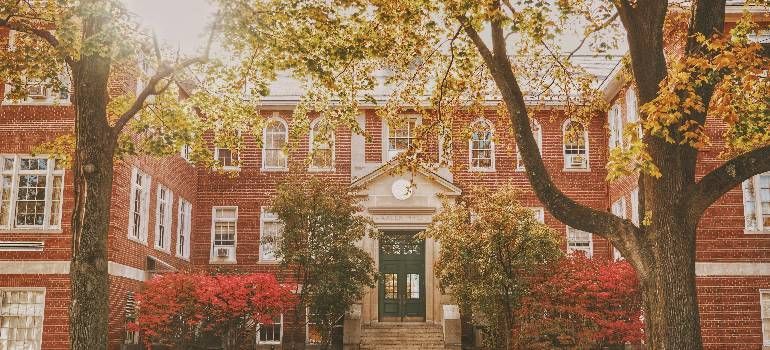
That brings energy, rentals, events, and steady movement.
Webster feels different. Smaller. Easier to read. Its town services, schools, lake areas, and local roads are simpler to understand. If your move includes packing, transport, and setup, MA moving services may fit naturally into the planning stage.
However,
Webster buyers should expect to drive more often. Worcester buyers should expect more parking pressure and street-by-street differences. So, ask yourself one thing. Do you want more options nearby, or a quieter setting?
Which place gives buyers more value for the money?
On paper, Webster can look like the more affordable choice. In March 2026, Worcester’s median sale price was about $499,000. Homes sold after about 26 days on market. Webster’s median sale price was about $340,000 that same month, with homes selling after about 32 days.
Here is the quick market snapshot:
- Worcester median sale price: about $499,000
- Worcester days on market: about 26
- Webster median sale price: about $340,000
- Webster days on market: about 32
- Webster sales counted that month: 5
That seems clear, right? Not completely. Webster had only 5 sales in that month, so 1 or 2 unusual sales can shift the median. Worcester’s average home value is at $435,532 and Webster’s at $428,213.
Buyers narrowing their search near the lake or town center may also compare movers in Webster MA during closing plans. That is why buyers should not rely on one number. The better value depends on the actual home, condition, repairs, location, taxes, and commute costs.
What monthly ownership really costs in each place
The sale price gets attention, but the monthly cost decides comfort. A home that looks cheaper can still cost more than expected. Taxes, insurance, heating, utilities, maintenance, and commuting all count.
The ownership picture includes several moving parts:
- Mortgage payment
- Property taxes
- Home insurance
- Heating and utilities
- Repairs and maintenance
- Car costs or transit costs
- Parking costs
- HOA fees, if buying a condo
Worcester’s median selected monthly owner cost was $2,216 for owners with a mortgage. Its median gross rent was $1,487 for 2020–2024. Worcester’s owner-occupied housing rate was 42.8%, which also shows a large renter base. Webster’s current tax rate is $11.92 per $1,000.
Worcester’s FY2026 residential tax rate was $13.28 per $1,000. On a $400,000 assessed home, that equals about $4,768 in Webster taxes and $5,312 in Worcester taxes. For city buyers managing furniture, stairs, and parking rules, moving companies in Worcester MA may matter during the final budget review.
Which location makes commuting easier?
If commuting is part of your week, Worcester has the stronger transportation setup. Union Station is the city’s main transportation hub. It connects commuter rail, intercity buses, local buses, taxis, and parking. It also serves Amtrak, the MBTA, and Peter Pan/Greyhound.
Worcester’s commuting strengths include:
- MBTA commuter rail access
- Amtrak service
- Intercity bus service
- WRTA local bus connections
- Taxi access
- Parking near Union Station
The WRTA Central Hub sits next to Union Station, which makes local bus connections easier. That matters if you need Boston access or want fewer car trips. Webster is more car-based. However, it can still work well for people who work in Worcester.
Webster is about 17 driving miles from Worcester by I-395 North, with an estimated drive of about 19 minutes without traffic. There is also WRTA Webster-Dudley-Southbridge Shuttle service. For buyers planning school-year timing, families moving to Worcester MA in 2026 is a related concern when commute and school calendars overlap. Still, Worcester clearly wins on rail and transit.
Which schools and family needs should buyers compare?
For families, the school systems feel very different. Worcester Public Schools is large. It serves nearly 25,000 pre-K through grade 12 students and operates nearly 50 schools and programs. Its student body is also very diverse.
Worcester school details include:
- Nearly 25,000 pre-K through grade 12 students
- Nearly 50 schools and programs
- 24,980 students reported in 2023 data
- 58.4% of students with a first language other than English
- 30.4% English learners
That scale can bring more programs, services, and choice. It can also feel harder to navigate.
Webster Public Schools is much smaller. Its district structure is easier to follow, with
- Park Avenue Elementary School
- Webster Middle School
- Bartlett High School
The district office is at 77 Poland Street. Families buying before the warmer market months may also think through a spring move in Webster MA when school schedules and listing dates line up. So, which is better? It depends on the child. Some families want larger program options. Others prefer a smaller, simpler district setting.

Which place keeps daily errands and services closer?
Worcester has the edge for services. That is one benefit of living in a larger city. Worcester had $2.45 billion in total retail sales in 2022. It also reported $5.99 billion in health care and social assistance receipts. In plain terms, that means more stores, clinics, offices, pharmacies, and dining choices.
Worcester gives buyers easier access to:
- Grocery stores
- Pharmacies
- Clinics
- Hospitals
- Urgent care
- Primary care
- Specialist care
- Restaurants
- Retail centers
- Offices and job centers
Healthcare access is also a major point. UMass Memorial Health has hospitals, outpatient centers, primary care sites, urgent care, and imaging services across Central Massachusetts. Saint Vincent Hospital has served Worcester and nearby communities for more than 100 years.
Webster still has local stores, schools, town services, and basic daily needs. For buyers shifting between nearby towns, a local moving company in Western MA can fit a short-distance move across the region. However, larger retail choices, specialty care, and bigger job centers often point back toward Worcester.
What buyers should know about lifestyle and recreation
Lifestyle is where the comparison gets more personal. Worcester gives you more city recreation. Think theaters, museums, restaurants, parks, sports, college events, and cultural options. Webster has a different strength: Webster Lake.
Worcester lifestyle highlights include:
- Theaters and performance venues
- Museums and cultural attractions
- Restaurants and nightlife
- College events
- Sports and recreation
- Large parks and public spaces
The EcoTarium offers 3 floors of indoor exhibits, live animal habitats, outdoor play, nature trails, and a seasonal train ride on a 45-plus-acre campus. Green Hill Park is Worcester’s largest park, with
- a golf course
- football field
- softball fields
- soccer fields
- woodlands
- open space
For buyers moving an entire household into either area, residential movers in Massachusetts may become part of the larger relocation timeline. Webster’s standout lifestyle feature is Webster Lake, also called Lake Chaubunagungamuag. It is a 1,297-acre great pond east of Route 16.

It offers fishing access and lake-centered recreation. Do you want more places to go after work? Worcester may fit. Do you want lake access and a quieter weekend pace? Webster may feel better.
How neighborhoods and home styles compare
Worcester cannot be judged as one housing market. It has too much neighborhood variety for that. Prices can differ a lot from one area to another.
Important Worcester market areas include:
- East Worcester
- West Worcester
- South Worcester
- Central City
- North Worcester
- Downtown Worcester
- Grafton Hill
- Burncoat
- Greendale
- West Tatnuck
In March 2026, West Tatnuck showed a median listing price of $565,000. Central City showed $390,000. Downtown Worcester showed $238,705, though downtown listings can include very different property types. Webster has fewer distinct market areas, but buyers still need detail.
Webster areas include:
- Depot Village
- South Village
- Center Village
- East Village
- Main Street Historic District
- North Village
- School Street Area
Worcester may offer more condos, multifamily homes, and older city homes. Webster may offer single-family homes, smaller multifamily properties, and lake-area homes. In both places, inspections matter.
What safety and comfort look like at street level
Safety is not just a city name or town name. It is often a block-by-block question. Worcester has much higher density, with 5,527.5 people per square mile in 2020. That density brings more movement, more traffic, and more variation between neighborhoods. Webster is much smaller, but that does not mean every street feels the same.
Comfort depends on details such as:
- Lighting
- Sidewalks
- Driveway space
- Snow clearing
- Street parking
- Road noise
- Nearby businesses
- Traffic speed
- Walking routes
- Water proximity
- Daytime noise
For families, walking routes may matter. Retirees can enjoy easy parking. For remote workers, daytime noise may matter. Insurance can also vary by address, especially near water. So, the real question is simple. Does the exact street support your daily life?

Who should buy in Worcester?
Worcester gives the most value to buyers who want access. If you need transit, hospitals, colleges, restaurants, jobs, and housing variety, Worcester has clear advantages. It can also work well for buyers who want a condo, multifamily home, or investment property.
Worcester may fit buyers who want:
- Public transit access
- Commuter rail options
- More restaurants and services
- More healthcare access
- More college-area activity
- More housing variety
- Condo options
- Multifamily homes
- Rental demand
- Shorter access to major employers
The renter base, college population, and healthcare economy can support rental demand. The city has more than 35,000 college students and 8 colleges and universities. Education and healthcare are also major parts of Worcester’s economy, with 2 major hospitals and 8 colleges and universities shaping local demand. However, access comes with trade-offs. Worcester homes can move quickly. In March 2026, homes sold after about 26 days on market.
Who gets the most value from buying in Webster?
Webster gives the most value to buyers who want a smaller place near Worcester. It may fit people who drive, want less density, and prefer a simpler local layout. With about 17,748 residents, Webster is less than one-tenth the size of Worcester. That scale can make daily life feel more manageable.
Webster may fit buyers who want:
- A smaller community
- Less density
- A car-based routine
- Lake access
- A simpler local layout
- Quieter streets
- Smaller school structure
- Access to Worcester without living in Worcester
- Single-family homes
- Outdoor recreation
The school system is also easier to understand, with Park Avenue Elementary, Webster Middle, and Bartlett High. Webster Lake adds something special, too. A 1,297-acre lake can shape lifestyle and home demand in ways Worcester cannot copy directly. Still, Webster is not ideal for everyone. Buyers who need commuter rail, frequent Boston access, or many restaurants nearby may feel limited. Webster works best for buyers who value space, car-based routines, lake access, and a smaller community feel. Simple. But not isolated.
Conclusion: which choice makes more sense for your move?
The better choice depends on the life you want after closing. Webster vs Worcester is not only about home prices. It is about how your week will work. Worcester gives you more transit, jobs, schools, hospitals, restaurants, and housing variety. It also brings more traffic, density, competition, and parking pressure. Webster gives you a smaller setting, easier local scale, car-based convenience, and lake-centered recreation. It also has fewer transit choices and fewer city-level services.So, the real decision is personal. Match the town to your budget, commute, school needs, healthcare needs, and daily routine. That is where the best answer becomes clear.