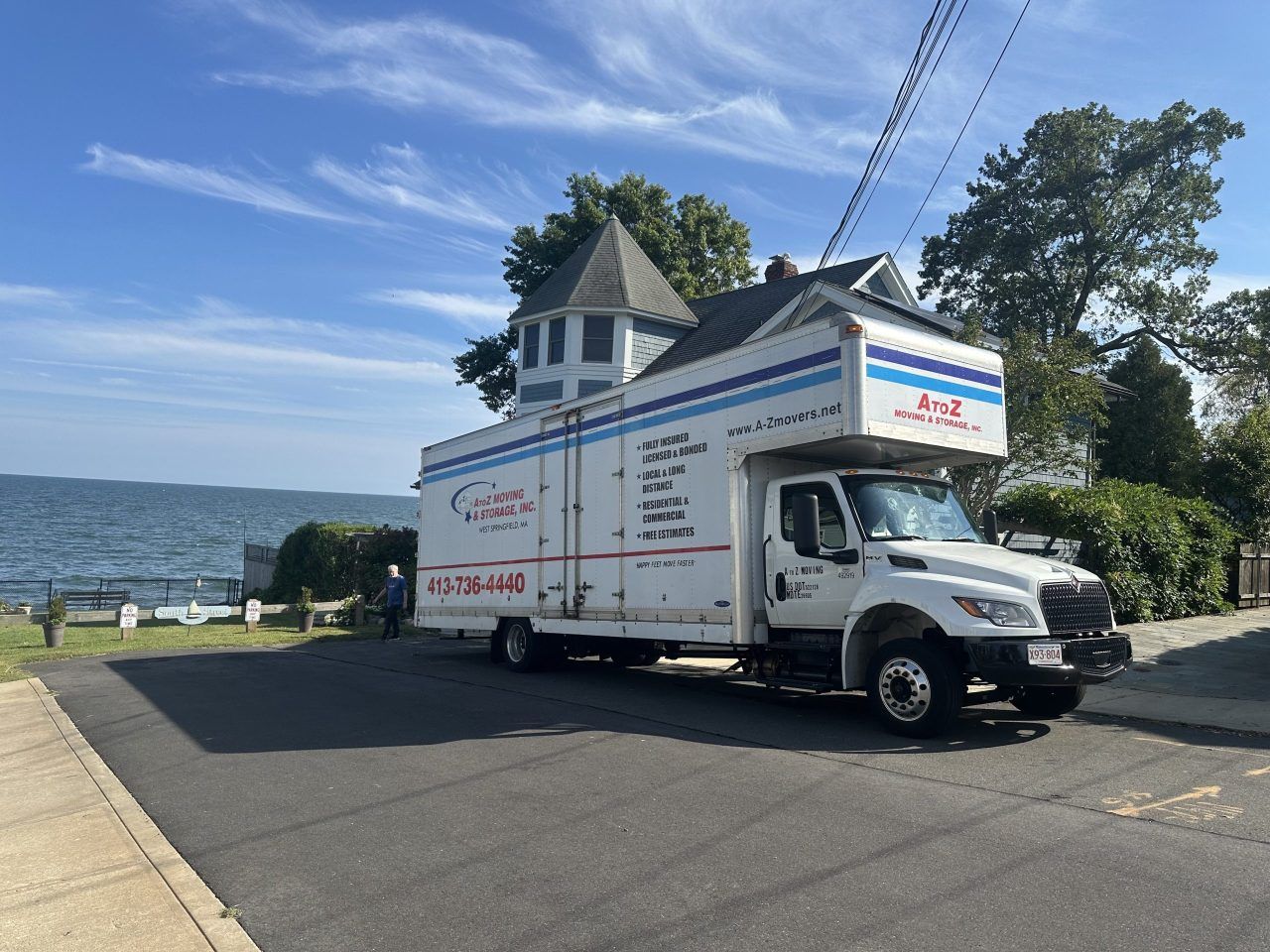
Top 10 Common Moving Mistakes and How to Avoid Them
Moving into a new home should feel exciting, but it often becomes stressful due to small errors that snowball. We’ll help you explore common moving mistakes and how to avoid them, with real insight—not generic checklists. If you’re planning a move to, from, or within Massachusetts, take notes now. A smoother move is possible with a bit of preparation and smart decision-making. Trust professionals who know the area, like A to Z Moving and Storage, to help you stay ahead of trouble and on top of your schedule.
What Are The Common Moving Mistakes and How to Avoid Them?
People make mistakes every day – that is part of being human, and how we learn. But why make mistakes on one of the most stressful days in life, when you can learn from the mistakes of others?

Some of the most common mistakes that we, as experienced movers, see are:
- Ignoring parking permits and local rules will cost you
- Underestimating the time needed to pack properly
- Labeling boxes poorly leads to frustration
- Not measuring doorways can lead to damaged furniture
- Skipping the inventory of valuables and electronics is risky
- Not vetting the moving company beyond reviews
- Packing items, movers won’t transport
- Forgetting your moving day essentials
- Overlooking Massachusetts weather realities
- Not updating services before moving day
Ignoring Parking Permits and Local Rules Will Cost You
Massachusetts towns aren’t all the same when it comes to moving day regulations. Many local governments, including those in Somerville and Brookline, require you to request temporary parking permits in advance. Without one, your moving truck could be ticketed or towed. Even worse, you may not find parking near your new home. This slows down your move and raises your costs.
Instead of guessing, take action early. Always check the city website or call your local town hall. That small task can save you from serious delays. Some moving companies will even help you get these permits, but only if you ask. Avoiding this issue keeps your day moving forward without unexpected roadblocks.
Underestimating the Time Needed to Pack Properly
It’s easy to assume that packing up your space won’t take long. You look at your clean living room and feel confident. But hidden clutter in drawers, closets, and storage bins can take hours—even days—to sort through. This miscalculation causes panic as moving day approaches.
Make it easier by breaking up the packing into stages. Begin with low-use areas and give yourself real deadlines. Use a calendar if needed. You don’t have to pack everything at once, but you do need to begin well before your official move-out date. Avoid last-minute chaos by being honest about the work ahead.
Labeling Boxes Poorly Leads to Frustration
Unmarked boxes are a common source of stress. Writing just “kitchen” or “bedroom” tells you nothing when you’re tired, sore, and looking for your coffee maker. In the rush of the move, many people forget what they’ve packed and where. That’s when problems start.
Clear labeling is essential. Write exactly what’s inside and mark the box’s priority. Is it something you’ll need on day one, or can it wait? This system keeps your unpacking organized and faster. It also helps your movers handle boxes correctly. Some residents in Massachusetts label the boxes by room and even color-code them by floor. These methods save time and lower the risk of broken items.
Not Measuring Doorways Can Lead to Damaged Furniture
Massachusetts homes, especially in older cities like Newton and Salem, often have tight staircases and narrow doorways. Many people forget to measure before moving large furniture. As a result, sofas, headboards, and desks may get stuck, scratched, or even broken during the move.
To avoid this, measure both your furniture and your new home’s entryways before moving day. If anything seems too tight, disassemble where possible or rethink your layout. In tough cases, storing some items temporarily could be smart. This is where hiring a company with local knowledge—like those experienced in historic homes—really pays off.
Skipping the Inventory of Valuables and Electronics is Risky
Everyone assumes they’ll remember where things are. But when you’re juggling boxes, your laptop charger or tablet can disappear fast. These small losses become a huge nuisance when you arrive and can’t find your essentials.
One helpful solution is to pack your valuables in a clearly marked box that stays with you, not in the moving truck. Take photos of your electronics setup before unplugging anything. That way, you can reconnect everything quickly in your new space. It’s also wise to have your most-used devices and cords in one spot for easy access.
If you’re relocating across the state or from out of state, make sure you’re working with long distance moving companies Massachusetts residents actually recommend. Companies familiar with extended moves will often provide better support for handling valuable items safely.

Not Vetting the Moving Company Beyond Reviews
Reading online reviews is helpful, but that should not be your only research method. Many people rely solely on star ratings, ignoring crucial facts about insurance, licensing, and experience. This often leads to delays, surprise fees, or damaged belongings.
Instead, take time to ask the right questions. Has the company handled similar moves before? Are they licensed with the Massachusetts Department of Public Utilities? Ask if they’ve worked in your exact town or neighborhood. If you’re moving offices or require business relocation, always choose companies with real experience in commercial moving services in Massachusetts. They understand traffic flow, parking permits, and timing—things a general mover might overlook.
Packing Items Movers Won’t Transport
Too many people assume everything they pack will go into the truck. That’s a big mistake. Movers have restrictions, especially when it comes to chemicals, flammables, and even some electronics. This can include items like propane, nail polish remover, and lithium batteries.
If you pack these items without checking, they’ll be left behind or removed. That creates stress and waste on moving day. So, reach out and ask for a list of restricted items. It’s always better to clarify in advance than scramble to fix the issue later. You can avoid this issue by reading contracts carefully and talking with your moving coordinator ahead of time.
Forgetting Your Moving Day Essentials
When everything’s packed away, you’ll wish you had set aside one small box for immediate needs. People often forget toiletries, chargers, basic kitchen supplies, and important documents. That turns the first night in your new home into a challenge.
To avoid this, prepare a go-to box filled with items you’ll need in the first 24 hours. Label it and carry it with you. Don’t assume you’ll remember what’s in each box. Take the time to think about your routine and set yourself up for comfort. This is especially true if you’re getting MA moving services, where multiple teams might be handling your belongings.
Overlooking Massachusetts Weather Realities
Massachusetts weather is unpredictable, especially during the fall and winter months. Many people overlook how rain, snow, or icy sidewalks can impact a move. Not accounting for this leads to slippery entryways, wet furniture, and wasted time.
Prepare by watching the forecast and having supplies ready. Keep shovels, floor coverings, and extra towels on hand. If needed, adjust your schedule slightly to avoid the worst weather window. These small actions make a big difference when trying to protect your home and items during a seasonal move.
Not Updating Services Before Moving Day
Some people delay changing their address, utilities, and registrations until after the move. That creates serious problems. You might miss important mail, delay your trash pickup, or face late utility start-ups.
Instead, act ahead. Submit your address change with the post office at least a week in advance. Contact your town’s trash and water department if it’s a local move. This is especially important in areas with independent municipal services. Taking initiative ensures you’re not scrambling to set up basic functions after the move is complete.

Now You Know The Common Moving Mistakes and How to Avoid Them!
Mistakes don’t have to define your move. When you prepare thoughtfully and act early, you take the pressure off moving day. Each of the tips above reflects common moving mistakes and how to avoid them based on real experiences, not generic advice. Whether you’re relocating your home or your business, making smart choices helps you stay in charge.