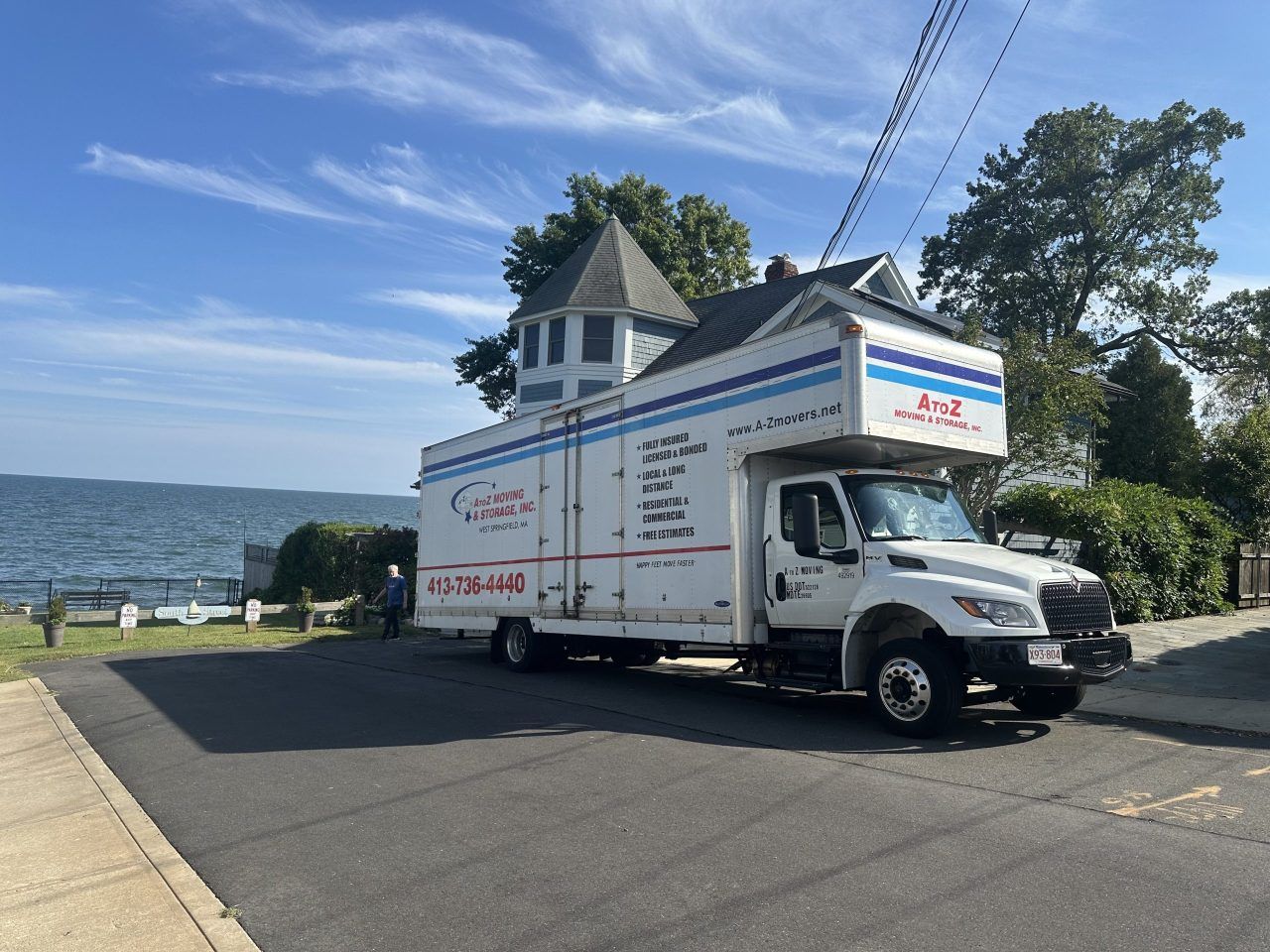
The True Cost of Moving a Piano and What Goes Into It
Piano moves demand special care because pianos weigh hundreds of pounds and feature delicate internal parts requiring expert safe handling. Most crews lack piano expertise, and basic furniture movers often cannot manage size, weight, and shape complexities reliably, safely efficiently. Professional teams need specialized tools, secure padding, and planning to avoid injuries, damage, or financial loss. It is important to know the true cost of moving a piano and what goes into it, so that you can learn the demands, effort, and risks behind each move. A to Z Moving and Storage offers experienced piano movers ready to deliver careful, safe, and efficient service, courteous reliable.
What Makes Pianos So Challenging to Move?
Several piano features make moves harder than typical furniture relocation tasks because of uneven weight distribution and fragile construction requirements. Safe piano relocation demands careful attention to weight balance, physical access, and internal component protection throughout each move phase process. Consider the following traits that challenge safe piano relocation efforts:
- Uneven weight distribution and heavy lower frame force careful handling near doorways on stairs to prevent tipping over, damage injury.
- Awkward piano shape complicates tight turns, narrow halls, and small elevators during a move across many floors or apartment spaces.
- Fragile strings, hammers, and soundboard inside pianos resist shocks, vibrations, or sudden stresses during lifting, transport, or relocation.
- Polished wood finishes scratch, dent, or warp easily under bumping, sliding, or dropping during loading, unloading, or tight passageways, corners.
- High sentimental and monetary piano value increases worry over safe transport insurance coverage, and long term preservation needs peace of mind.

All these challenges affect the true cost of moving a piano and what goes into it.
Piano Type and Size: A Key Factor in Moving Complexity
Moving complexity depends on piano type size and weight distribution differences, requiring varied labor equipment and planning extra manpower and materials. Upright pianos often weigh between 300 and 500 pounds, depending on wood and internal mechanisms. Full-size upright pianos bring heavier frames and larger cabinets, demanding stronger dollies, additional padding, and careful handling support resources.
Baby grands have short, wide shapes and fall risks during tilting, lifting, or stairway transitions, requiring teamwork, equipment, padding exhaustive. Full grand or concert pianos weigh over a thousand pounds and stretch many feet, demanding custom crates and vehicles. Commercial moving services in Massachusetts list piano type and size as primary factors influencing labor requirements and equipment needs logistics.
Distance and Logistics Involved
The distance between the old and new location affects the overall effort, travel time, and transport risk. Longer commute demands careful packing precautions. Short moves within the same home prove easier provided doorways, hallways, stairways accommodate piano size, low risk, minimal transport complexity stress. Moves across town require careful loading, secure truck suspension, and proper tying or bracing inside the transport vehicle. Long distance piano moving demands climate control, vibration reduction, and secure loading for safe arrival, experienced crews’ proper planning wrapping. Distance, size, and logistics amplify costs associated with piano moving across states, requiring heavy prep work, packing, and climate protection.
Home Layout and Accessibility Challenges
Home layout strongly influences piano move difficulty, especially when stairs, narrow halls, or tight doorways exist complex, limited access movement. Staircases pose a serious challenge during carrying, lifting, or lowering pianos between floors without damage to the instrument or home structure surfaces. Narrow hallways or angled entryways restrict piano orientation, movement, and risk collisions with walls or door frames, scratches, dents repair.

Elevators with size or weight limits sometimes cannot support grand piano loads, forcing the use of stairways for instead longer time and effort. Long carries between home and truck increase risk over surfaces and demand floor protection, plus careful maneuvering, padding, blankets coverings. Movers often request detailed layout information, walkthroughs, or photos to plan safe entry, exit, and transport strategy timing, crew size.
Equipment and Protection Needed for a Safe Move
Proper piano moves require special gear to support weight, protect surfaces, and secure safe travel dollies, blankets, straps, boards padding. Piano dollies and skid boards help move heavy frames smoothly over floors without strain or scratching floors, walls, doorways corners. Heavy-duty straps, pads, and blankets secure the piano while preventing dents, scratches, and wood finish damage during lifting, transport placement. Floor protection materials cover hardwood or tile before carrying a piano across long hallways, stairs, or tight corners with blanket-padded boards. Grand pianos sometimes need custom crates, secure lift gates, and ramp systems for loading, unloading, and safe transport of handling equipment. Long distance moves require climate protection and humidity controls inside the truck cabin to prevent wood warping or damage, and temperature monitoring.
Expertise and Labor Required
Trained piano movers understand piano balance, internal weaknesses, and safe lifting techniques required for secure handling, skillful teamwork precision coordination. Team of movers in Pittsfield MA often brings enough crew members to distribute the load and avoid overburdening each person and fatigue injuries. Precision coordination during each lift move and load operation reduces the risk of dropping, bumping, or sudden tilting, damage, or stress accidents. Movers check structural weak spots inside the piano before lifting, securing fragile components properly for transport safety, to prevent breakage, damage, or loss. Team carrying heavy grand piano frames uses synchronized movement, leverage, and careful pace to avoid imbalance or accidental slips and damage. Proper handling, expert labor coordination, and careful planning ensure the piano arrives intact without interior or exterior damage or repair costs.
Additional Services Affect the True Cost of Moving a Piano and What Goes Into It
Piano moves sometimes need storage space when timing changes or new home readiness delays final placement in a secure, climate-controlled environment. Short-term climate-controlled storage protects wood components from humidity, temperature swings, or long wait times, surface damage finish warping. Grand pianos may need careful disassembly, removal of legs, pedals, cover boards, and reassembly at the destination home expert crew help. Floor stairs or hallway protection requires extra materials, blankets, padding boards, or temporary coverings to preserve surfaces wood tile integrity. Post-move tuning often improves piano sound after relocation, even when moving experts take good care throughout transport and precision adjustments.
Why Hiring Professional Piano Movers Is Worth It
Professional piano movers reduce the risk of injuries, damage, and costly repairs during loading, transport, unloading, and setup, reducing damage and stress. Experts handle difficult layouts, narrow stairs, halls, or tight corners with proper tools, padding, and secure straps, care, skill precision. Professional teams provide insurance coverage and accountability in case of accident loss, or unforeseen problems during relocation support, and repair assistance.

Expert piano movers preserve piano condition, internal components, and guarantee long term lifespan and value retention piano owner. Hiring professionals brings peace of mind, confidence, and reliable service throughout difficult piano transport tasks, safe, efficient, careful handling, and support assurance.
The Real Value Behind a Piano Move
The true cost of moving a piano and what goes into it becomes clearer when you look beyond the price tag. The total expense reflects the labor, risk, equipment, and planning required to move such a delicate and heavy instrument safely. Professional piano movers bring experience, proper tools, and protective gear that keep the piano stable during transport and shield it from damage. Their preparation, coordination, and handling techniques help manage time, reduce stress, and minimize the chance of costly repairs. Moving a piano is a complex process that involves careful strategy, precise lifting, and attention to environmental changes. Choosing trained specialists ensures the instrument stays protected and arrives in perfect condition, making the investment worthwhile.