Post-move guide for Hartford CT: Essential steps after moving
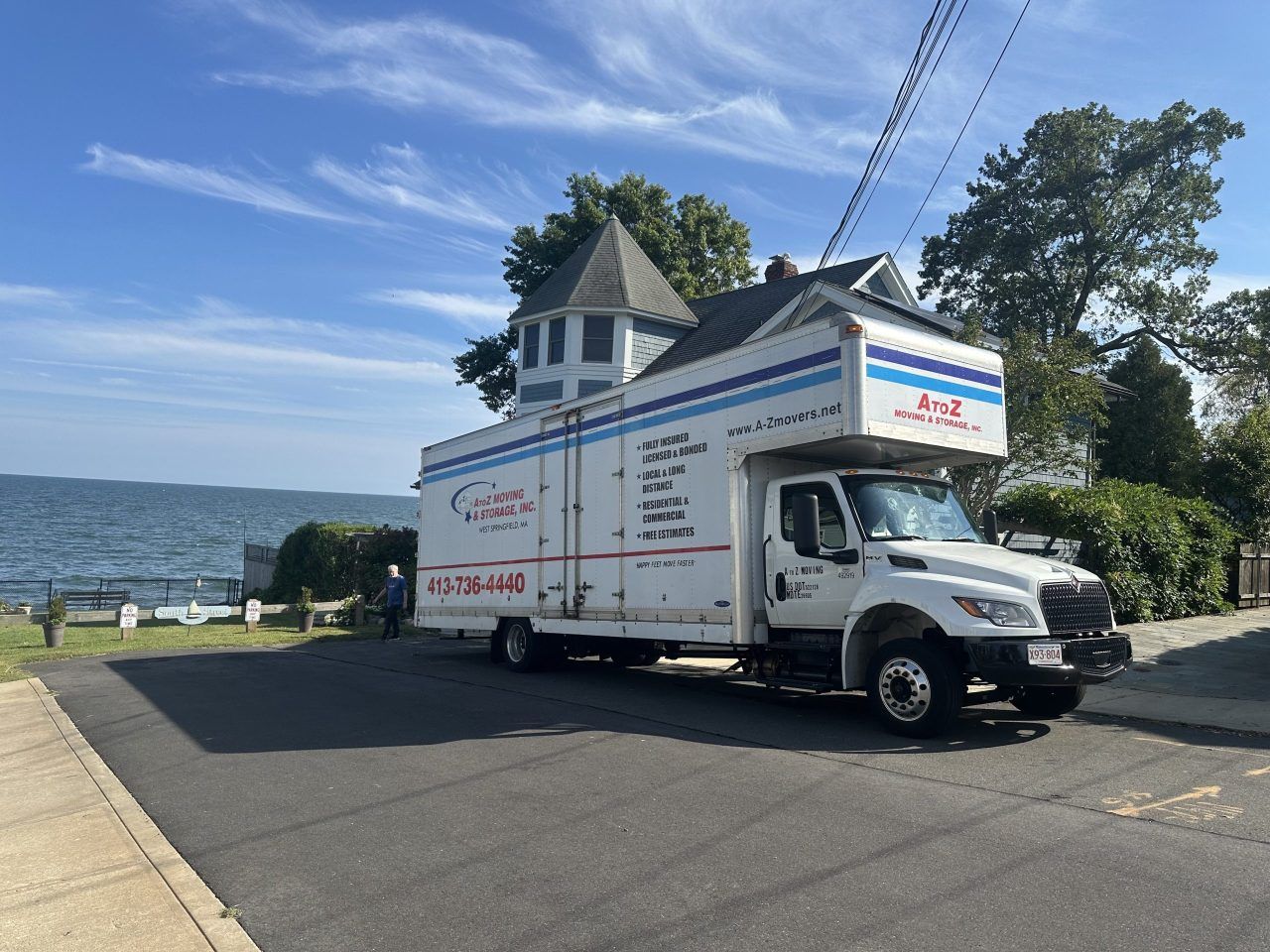
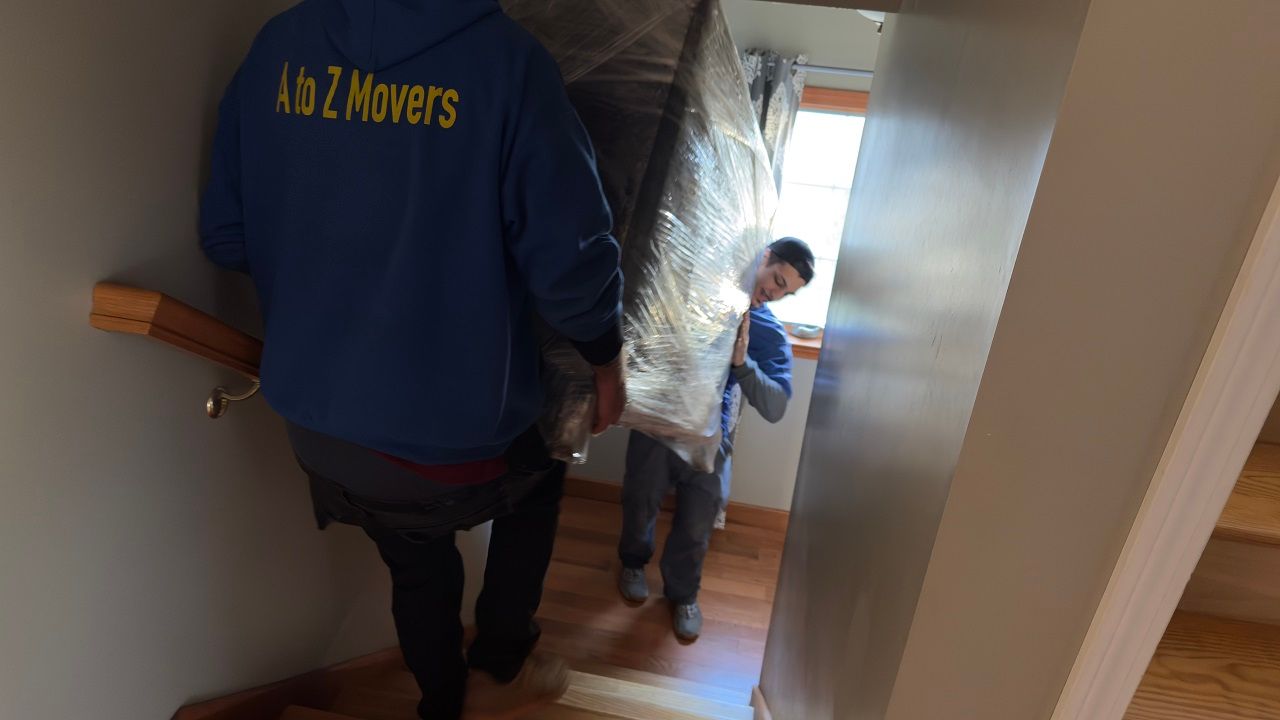
Moving to Hartford is exciting, but it also comes with a long list of small tasks. Some are simple. Others have deadlines. And a few can cause real problems if you miss them. This post-move guide for Hartford CT helps you know what to handle first, what can wait, and where to look for local help. Hartford is Connecticut’s capital city, with about 122,129 residents, so you could face numerous challenges when moving here. But once you break the process into steps, it becomes much easier. Many new residents also compare local moving resources, including A to Z Moving and Storage, while getting settled.
Update your address and forward your mail
Your address should be one of the first things you update. Why start there? Because so many other records depend on it . USPS allows movers to submit a permanent change of address. It also offers temporary forwarding for moves lasting 15 days to 1 year. If Hartford is now your main home, permanent forwarding usually makes sense. After that, update your:
- bank
- credit cards
- employer
- insurance companies
- doctors
- subscriptions
- delivery apps
Also check online shopping accounts before placing new orders. It is easy to forget those. Next, update:
- schools
- voter registration
- DMV records
- tax accounts
- medical portals
Missed mail can lead to late bills, missed notices, or account issues . Keep a simple checklist with account names, dates, and confirmation numbers. Also, update emergency contacts with your Hartford address. A little work now saves many headaches later.

Handle your Connecticut DMV tasks early
DMV tasks are not the most exciting part of moving. Still, they matter. If you moved to Hartford from another state, Connecticut DMV says you must transfer your out-of-state vehicle registration within 90 days. Some vehicles may need an emissions test or VIN verification. So, check the official requirements before booking an appointment.
You may need:
- proof of identity
- Connecticut residency
- ownership
- insurance
- current vehicle documents
You should also transfer your driver’s license if Connecticut is now your legal home. Already lived in Connecticut? Then your timeline may be shorter. Residents with a Connecticut license, ID, or registration must update their address within 48 hours.
The online address-change process usually takes 5 to 7 minutes . Keep every receipt and confirmation. These records can help with:
- insurance
- taxes
- renewals
- future DMV questions
Set up utilities and home services
Once the legal records are moving, check your home services. Start with:
- electricity
- heat
- water
- sewer
- internet
- trash
Eversource lists Hartford among its Connecticut electric service communities. The Metropolitan District, often called MDC, provides drinking water and utility services from Hartford . Its main office is at 555 Main Street in Hartford. If you rent, ask your landlord which utilities are included. Do not guess.

If you own your home, make sure every account is under your name. Also check gas, oil, security, cable, and internet providers. Then test everything. Turn on:
- lights
- faucets
- appliances
- heat
- cooling
- outlets
Notice anything wrong? Report it quickly, especially during winter or summer. Ask each provider about deposits, start dates, billing cycles, and emergency numbers. Also, learn where your meters, breaker panel, and shutoff valves are located.
Learn your trash, recycling, and bulk pickup rules
Trash rules may not seem urgent until boxes start piling up. Then they matter fast. Hartford’s Waste and Recycling Division handles waste and recycling collection. T he city also offers a “Find My Trash Day” tool. You enter your street address on the map, then select the address dot to see your collection day. Use it before placing bins outside.
Hartford says only city-issued bins get serviced . Also, missed pickup requests apply only when bins were out on the assigned day. Place bins curbside after 4 p.m. the night before pickup. You can also place them out before 7 a.m. on collection day. Break down cardboard boxes after unpacking. For furniture, mattresses, or larger items, check bulk pickup rules first. Apartment residents should ask their property manager about:
- trash rooms
- dumpsters
- recycling areas
- move-in waste rules

Use Hartford 311 for city service questions
New city, new questions. Who do you call when something does not fit neatly into one category? Hartford 311 is a useful place to start. The city describes it as a toll-free, non-emergency call center. It connects residents, visitors, and businesses with city services. You can call 860-757-9311, Monday through Friday, from 8 a.m. to 5 p.m. Use it for:
- service questions
- department direction
- missed trash
- street issues
- sidewalks
- general city resources
Just remember that 311 is not for emergencies. For emergencies, call 911. Save both numbers in your phone. It also helps to save Hartford City Hall’s address: 550 Main Street, Hartford, CT 06103. During your first month, you may not know which department handles each issue. That is normal. Hartford 311 can point you in the right direction.
Sort out parking, permits, and commuting
Parking in Hartford can depend on your street, zone, building, and season. So, before you leave your car anywhere for long, read the signs. Residential permits allow legal parking within residential zones. However, they do not override city parking ordinances. They also do not override snow parking bans. During a declared snow emergency, all on-street parking is prohibited citywide. Cars left on city streets can be ticketed and towed.
Hartford also uses blue lights at 16 major intersections. These lights turn on 6 hours before a parking ban takes effect. If you commute, test your route before the first workday. CTtransit buses serve the area. CTfastrak is Connecticut’s first bus rapid transit system. The Hartford Line also serves travel between Springfield and New Haven. Try your options before you need them. If your move is still in progress, comparing moving companies in Hartford CT can also help you plan truck access, timing, and unloading needs.
Register to vote and update civic records
After you move, your civic records may need attention. Your new address can change your polling place, district, and local notices. Connecticut offers voter registration information through official state resources. DMV address updates can also connect with voter registration updates . So, it makes sense to review both. Do not wait until election week. Deadlines can vary, and records can take time to update.

First, confirm your Hartford address. Then check your registration status. After that, find your correct polling place. It is also smart to keep one consistent address format across official accounts. That reduces mismatches later. Save confirmation emails or screenshots when you update records. If you rent with roommates, make sure your own name appears on the right documents. A lease, utility bill, or official mail can help prove residency later.
Understand local taxes and city bills
Local bills can surprise new residents, especially if they moved from another state. In Connecticut, questions about real property or motor vehicle tax bills usually go to the local tax collector. Hartford offers an online tax bill search and payment portal . If you pay online by credit card, the vendor fee is 2.99%. The city also lists a minimum credit card fee of $3.95. Electronic check payments have a fixed $0.50 fee. Need motor vehicle clearance? Timing matters. Hartford says online credit card payments need 2 business days for motor vehicle clearance. Payments by check need 10 business days. Homeowners should review:
- property taxes
- escrow details
- mortgage records
Vehicle owners should keep DMV records current. Renters should ask landlords which costs are included. Save receipts, bill numbers, and confirmation details. Early bills also give you a clearer view of the cost of living in Hartford after your move.
Enroll children in school and explore education options
If you have children, school registration should move near the top of your list. Hartford Public Schools says registration is not finalized until in-person ID verification happens. Families must provide proof of:
- guardianship
- student age
- residency
Useful documents may include:
- birth records
- guardian identification
- school records
- immunization records
- proof of address

If your child receives a magnet school placement, bring documents to that school. Hartford Public Schools also has an Office of Enrollment and School Choice. Ask about:
- transportation
- meals
- special education
- language support
- after-school programs
Not sure which school applies to your child? Ask early. Hartford is attracting new homeowners and placement can depend on address, program, and school choice status. Keep copies of your lease, utility bill, or recent mail. These documents may help prove residency. A smooth school setup helps children settle faster.
Take care of pet licenses and animal records
Pets need their own move-in checklist too. Hartford says Connecticut law requires dogs 6 months or older to be licensed . Dogs must be licensed through the town clerk in the town of residency.
In Hartford, dog licenses are due on or before June 30 each year. O nline renewals run from June 1 through August 31. First-time registration must happen in person. The city says staff respond to online renewal applications within 2 business days. Keep rabies certificates ready before renewing or registering. Also update your pet’s:
- microchip
- vet records
- emergency contact information
If you rent, review pet rules in your lease. Look for rules about:
- waste cleanup
- noise
- pet limits
- breed restrictions
Find a local veterinarian before an urgent problem happens. Also learn where the nearest emergency animal hospital is located.

Make your home safer with our post-move guide for Hartford CT
Your first day should include a simple safety check. Start with:
- doors
- windows
- locks
- smoke detectors
- carbon monoxide detectors
Then find the breaker panel, water shutoff, and gas shutoff. You do not want to search for those during an emergency. Test:
- heating
- cooling
- toilets
- faucets
- outlets
- major appliances
If you rent, take photos of damage before unpacking everything. Send repair requests in writing and keep copies. If you own, review warranties, repair needs, and permit requirements.
Hartford has an online permitting portal for applications, fees, renewals, records, and property information. Permitting services are also listed at Hartford City Hall, 550 Main Street, Suite 001. Before starting major work, check permit rules. Also keep flashlights, batteries, chargers, water, and basic first-aid supplies in one easy-to-find place.
Explore your neighborhood and build local routines
Once urgent tasks are done, start learning your area. Hartford has 15 distinct neighborhoods and 2 commercial or industrial areas. Common neighborhood names include:
- downtown
- west end
- south end
- asylum hill
- blue hills
- parkville
- clay-arsenal
Each area can feel different for parking, housing, errands, and commuting. That is why exploring Hartford neighborhoods can help you understand local routines beyond your own block. Start with the basics. Find:
- grocery stores
- pharmacies
- parks
- banks
- bus stops
- medical offices
Then test your commute during normal travel hours. From 2020 to 2024, Hartford’s mean travel time to work was 23.1 minutes for workers aged 16 and older. Median gross rent was $1,269 during that same period. The owner-occupied housing rate was 25.7%. These numbers help set expectations. Still, your real costs depend on your address, home type, lifestyle, and commute . If you are still comparing homes, practical house hunting tips for Hartford CT can help you connect daily needs with the right location.

Compare renter and homeowner post-move tasks
Renters and homeowners share some tasks, but their responsibilities differ. If you rent, read your lease again after moving in. Check rules for:
- parking
- pets
- trash
- guests
- packages
- laundry
- noise
- maintenance
Take photos of:
- floors
- walls
- doors
- windows
- appliances
- fixtures
Then report damage quickly and in writing. Also update renter’s insurance with your new address. Renters insurance in Hartford CT matters because lease rules and coverage needs can differ by building. Apartment residents should confirm:
- mailrooms
- package lockers
- elevators
- loading zones
- emergency exits
If you own your home, focus on:
- utilities
- taxes
- insurance
- repairs
- permits
Check:
- gutters
- drainage
- heating
- cooling
- locks
- appliances
- exterior maintenance
Hartford’s permit portal lets users submit applications, search records, pay fees, and look up property information. Condo owners should review HOA rules, storage rules, elevator reservations, and moving requirements. Keep documents and receipts in one folder.
Plan for moving truck parking and building rules
Moving truck parking can become stressful without planning. This is especially true near apartments, condos, downtown streets, and narrow roads. Before move-in day, ask your landlord, condo board, or property manager about loading zones. Also ask whether elevators must be reserved. Some buildings require a certificate of insurance from movers. Others limit:
- move-in hours
- loading dock access
- hallway use
Confirm these details before your movers arrive. Then walk the area and read nearby signs. Do not block:
- driveways
- hydrants
- sidewalks
- crosswalks
- bus stops
- travel lanes
If you live near Downtown, Asylum Hill, Parkville, or the South End, streets may be busy. Plan unloading times around traffic and parking demand. Also decide where helpers can park. If your street is tight, a smaller truck may work better. After the move, checking local activities in Hartford CT for the whole family can make the first weekend feel easier.
Keep a first-month moving checklist for the post-move guide for Hartford CT
A first-month checklist keeps the move from feeling scattered.

On day 1, confirm utilities, inspect the home, secure pets, and unpack essentials. Also test:
- locks
- alarms
- heating
- cooling
- water
- appliances
During week 1, forward mail, learn trash day, and save Hartford 311. Update:
- banks
- employers
- doctors
- subscriptions
- delivery apps
- emergency contacts
During week 2, handle:
- dmv tasks
- parking
- insurance
- voter registration
For week 3, focus on:
- schools
- health care
- pets
- library cards
During week 4:
- review taxes
- permits
- routines
- first bills
Then compare your actual monthly costs. Hartford’s median gross rent was $1,269 from 2020 to 2024, but your bills tell the real story.
Settle in with confidence with the help of our post-move guide for Hartford CT
Getting settled in Hartford does not need to feel overwhelming. Start with the basics. Update your address, confirm utilities, check your home, and learn trash pickup. Then move into DMV records, parking rules, insurance, schools, health care, taxes, pets, and local services. This post-move guide for Hartford CT gives you a clear path, but you do not need to finish everything in 1 day. Make sure to review what is still unfinished after 30 days. That final check helps you catch small tasks before they become bigger problems. Once the essentials are handled, you can focus on routines, neighbors, and your new daily life in Hartford.