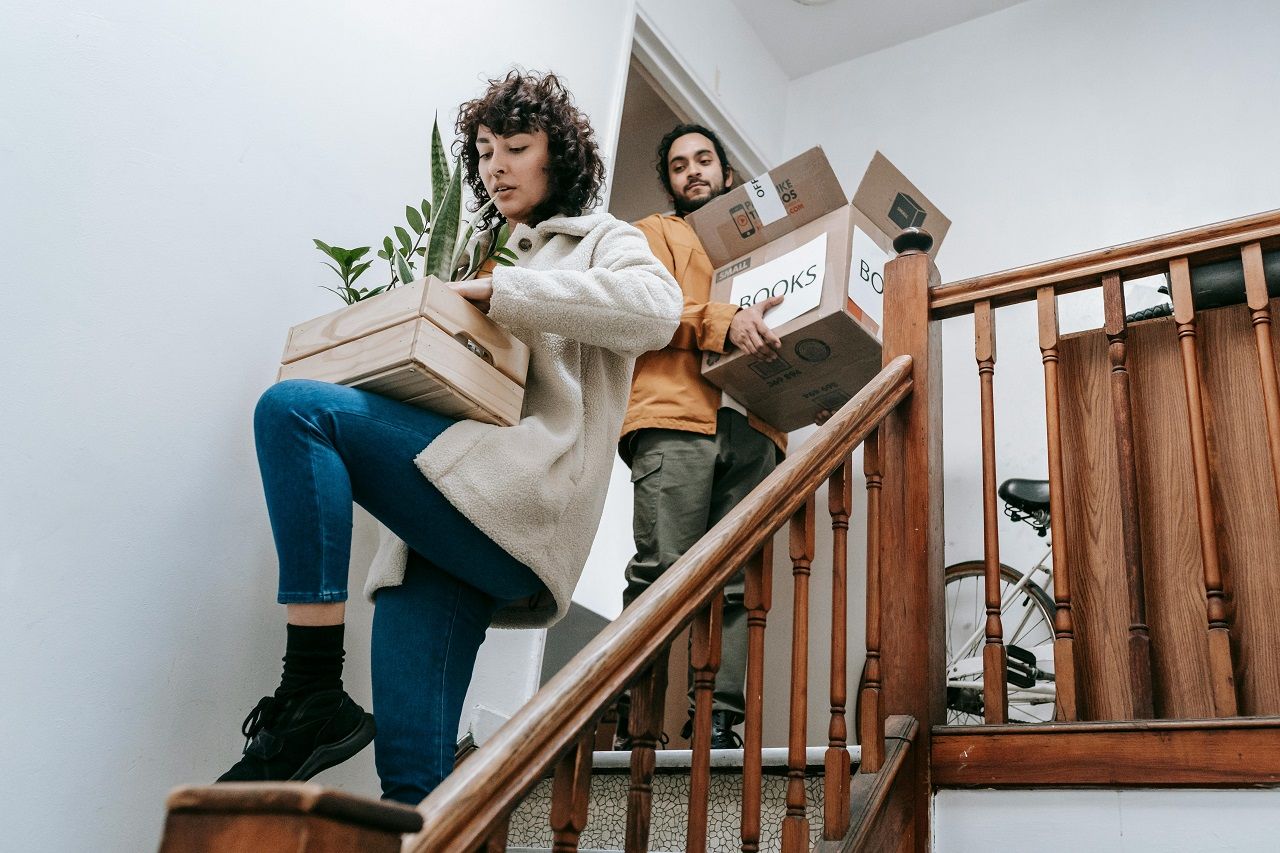
Moving with Pets – How to Prepare for a Stress-Free Move
Relocating is always a challenge, but moving with pets adds another layer of responsibility. Dogs, cats, and smaller pets all react differently to change. Some show signs of stress quickly, while others hide their discomfort. The key is preparation.
With the right steps, you can reduce anxiety for yourself and your pet. A to Z Moving and Storage will cover everything you need to know, from early planning to the day of the move!
The First Step Is Planning Ahead
The first step in moving with pets is always planning. Animals thrive on routine, and sudden change can trigger stress or fear. Find necessary MA moving services and begin preparations weeks before the move to give your pet time to adjust. Keep daily schedules consistent for feeding, walking, or playtime, even as you start packing. Introduce moving supplies gradually so boxes, carriers, and crates feel normal. Place familiar items like blankets or toys inside their carrier to build comfort.

You should also schedule a vet visit early to update vaccines, collect medical records, and discuss travel needs. Research your new area for nearby vets, pet-friendly parks, or boarding options. Preparing early reduces stress for you and your pet, creating a safer and more manageable moving experience.
Research Pet Regulations
Researching pet regulations is an important step when moving with pets. Different states, cities, and even housing complexes have specific rules about animals. Some places restrict certain dog breeds, while others require proof of updated vaccinations or health certificates. If you plan to fly, airlines follow strict guidelines for pet travel, with rules based on size, breed, and carrier requirements. International moves can be even more rigorous, often requiring quarantine or special permits. Before you book one of interstate moving companies Massachusetts offers, contact your airline or local authorities ahead of time to confirm requirements. This prevents stressful surprises on moving day.
Prepare Your New Home
Preparing your new home before introducing your pet is one of the most effective ways to reduce stress during a move. Animals react strongly to unfamiliar spaces, so taking a few steps in advance helps them adjust quickly.
- Pet-proof the home by checking for loose wires, cleaning products, or small objects that could be dangerous.
- Secure doors, windows, and balconies to prevent escapes or accidents.
- Set up a designated space with food, water, bedding, and toys where your pet can rest.
- Give cats one room first so they can adjust slowly before exploring the entire house.
- Provide dogs with easy yard access or a walking routine to build familiarity quickly.
- Keep familiar items nearby, such as blankets, scratching posts, or chew toys, to create comfort.
- Let them explore gradually if you moved a long distance, giving time to sniff and adapt.
A prepared home creates safety, consistency, and reassurance. With these steps, pets settle faster and feel secure in their new surroundings.
Reduce Stress on Moving Day
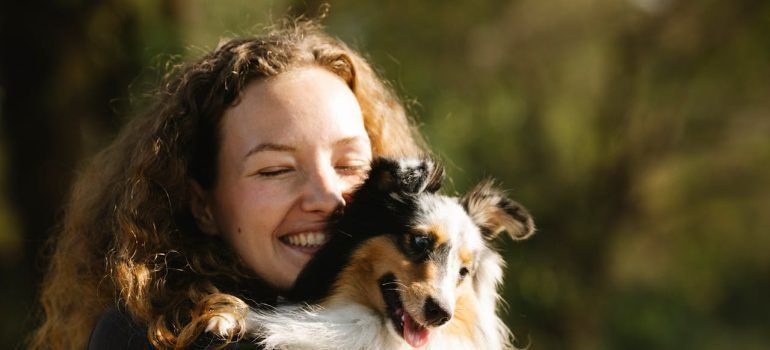
Reducing stress on moving day is one of the most important parts of your relocation. The constant noise, movement, and open doors can easily overwhelm animals and lead to accidents or escapes. The best way to protect your pet is to create a calm and secure environment away from the action.
If possible,
arrange for a trusted friend, family member, or pet sitter to care for them during the day. If that’s not an option, set up a quiet room in your home with food, water, bedding, and favorite toys. Place a clear sign on the door so movers know not to enter. Playing soft music or using calming sprays can help ease anxiety. Keep carriers or crates nearby for extra safety and to prevent sudden dashes toward open doors. Dogs should have regular breaks outside for exercise and bathroom needs, while cats often feel better staying confined until the move is complete. By lowering their stress, you’ll also reduce your own. A calm pet allows you to focus on the move while knowing they are safe and comfortable throughout the process.
Pack a Pet Essentials Bag When Moving With Pets
Packing a pet essentials bag keeps you prepared on moving day and during travel. Include enough food for several days, fresh water, bowls, and any daily medications. Add comfort items such as toys, blankets, or a favorite bed to help reduce stress. Don’t forget leashes, waste bags, and grooming supplies if needed. Keep copies of vaccination records and your vet’s contact information in the bag as well. Having everything in one place makes caring for your pet easier while boxes are still packed. A dedicated essentials bag ensures your pet feels comfortable and cared for throughout the move, even if you are moving locally with the best local moving company western MA provides.
Adjusting After the Move
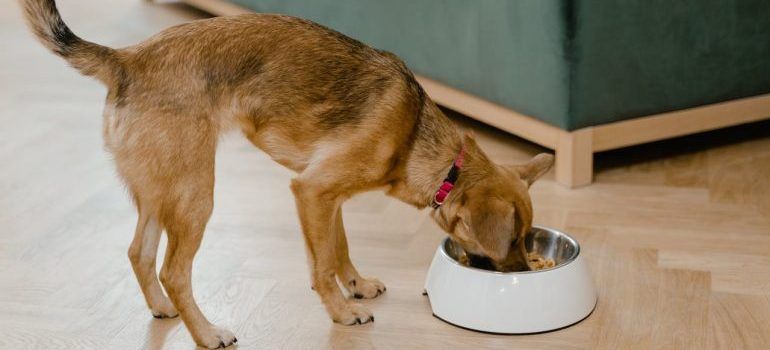
Adjusting after the move can take time for pets, and patience is very important during this stage. Animals often show signs of stress once the excitement of moving day ends. Some may hide, bark more, or refuse food. Keep routines consistent to reassure them—feed at the same times, take regular walks, and offer play sessions. Provide familiar items such as beds, toys, and blankets so they recognize comforting scents in the new home. Allow them to explore gradually, starting with one room before giving access to the entire space.
Dogs benefit from daily walks around the neighborhood, helping them learn new sights and smells. Cats may need longer to feel secure, so give them safe spaces to retreat. Pay attention to appetite, energy, and bathroom habits to spot stress-related issues early. With steady care and consistency, pets adapt and begin to view the new home as their safe environment.
Consider Professional Help
Sometimes pets struggle more than expected after a move, and that’s when professional help can make a difference. Animal behaviorists and trainers specialize in reducing stress, correcting problem behaviors, and helping pets adapt to new environments. A few guided sessions can ease anxiety, rebuild routines, and restore confidence for both you and your pet. Cats may benefit from enrichment strategies, while dogs often respond well to structured training in the new home. If stress continues or worsens, consult your vet for additional support. Professional guidance ensures your pet adjusts in a healthy, safe, and positive way after moving.
Special Tips for Different Pets
- Dogs: Dogs need exercise and stimulation. Long walks, play sessions, and familiar toys help. Keep leashes ready during the move. Some dogs bolt when nervous. Secure doors and gates to avoid escapes.
- Cats: Cats prefer quiet and stability. Always transport them in carriers. Familiar blankets and toys reduce anxiety. Give them one safe room until they settle. Avoid moving litter boxes too quickly. Cats rely on familiar scents.
- Small Animals: Rabbits, hamsters, guinea pigs, and birds all need special care. Transport them in secure carriers. Avoid loud noises and extreme temperatures. Cover cages lightly with a towel to reduce visual stress. Keep food and water accessible.
Keep Pets Comfortable Through Change!
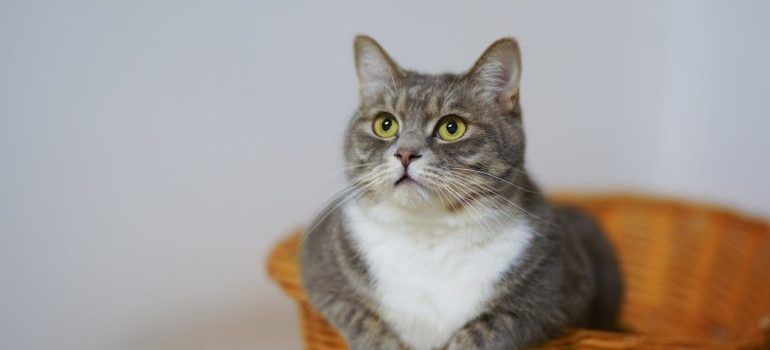
Moving with pets requires preparation, patience, and awareness, but the effort pays off once you settle in together. Animals sense change quickly, so planning makes the experience easier for them and for you. From vet visits to packing an essentials bag, each step helps reduce stress. Once in your new home, consistency and comfort speed up their adjustment. Pets look to you for reassurance, and maintaining routines gives them security. With the right care, relocating with pets becomes less overwhelming, allowing you to focus on building new memories while your furry companions feel safe and at home!