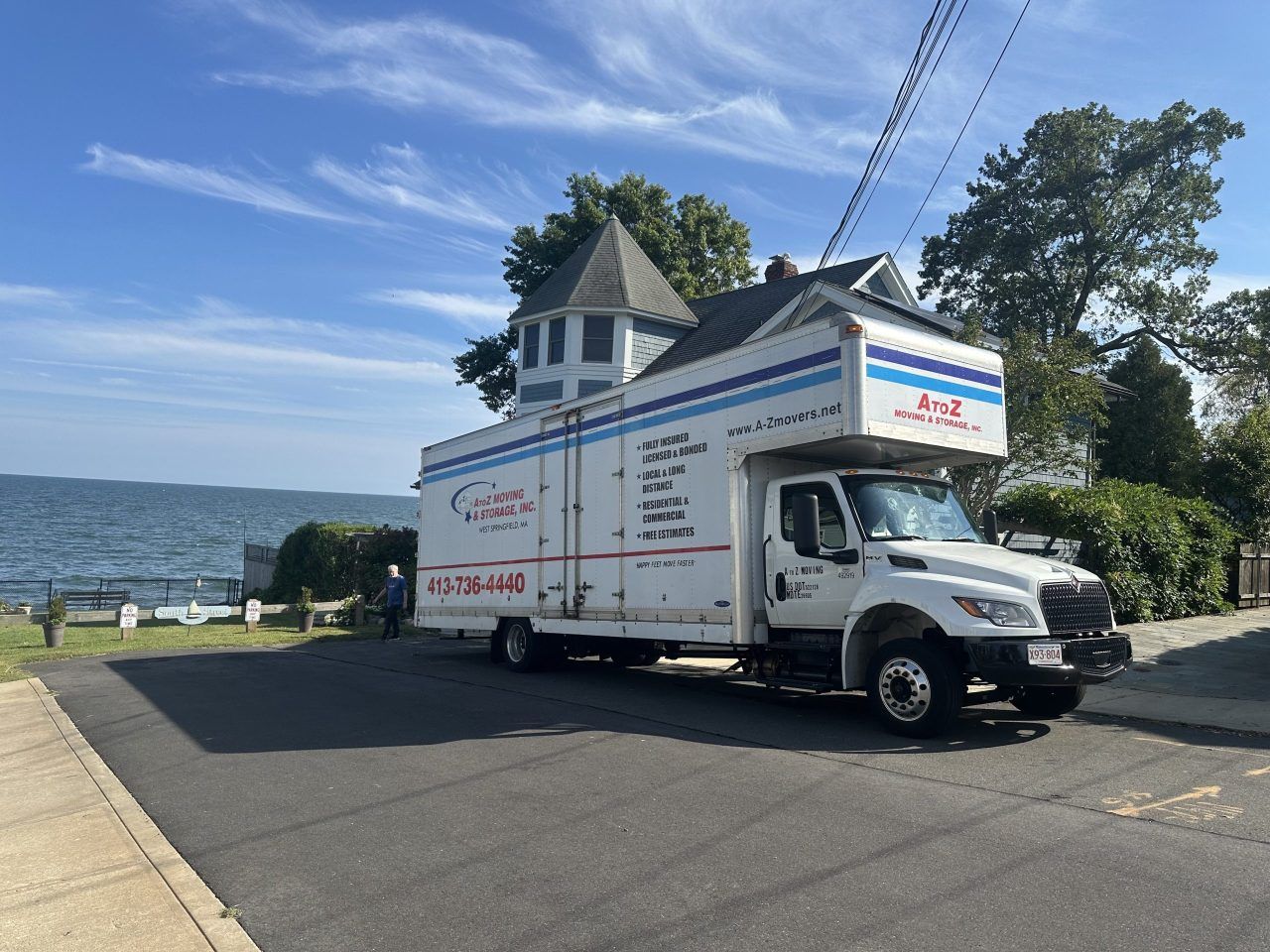
Massachusetts vs Connecticut Tax Comparison for People Relocating
People who plan a move between Western Massachusetts and Northern Connecticut usually compare more than job offers and home prices. Taxes shape long-term budgets, retirement plans, and the real cost of daily life across the border . Households in Springfield, MA, Longmeadow, MA, Enfield, CT, and Hartford, CT often run the numbers before calling moving companies in Massachusetts for a quote. Therefore, it’s important to get a clear Massachusetts vs Connecticut tax comparison that focuses on income, property, and sales taxes.
Overview of Massachusetts vs Connecticut Taxes
State tax systems in Massachusetts and Connecticut share some features but differ in several important details. Massachusetts uses a flat state income tax for most residents, while Connecticut uses a progressive bracket structure. Property taxes in both states depend on local decisions, but Connecticut relies on a mill rate system that often pushes effective rates higher. Sales taxes also diverge, especially on clothing and luxury purchases , which matter for families who shop across the border.

State Income Tax Basics
Massachusetts taxes most wage and salary income at a flat five percent rate for state income tax . High earners who cross one million dollars in annual taxable income pay an extra four percent surtax on that portion, sometimes called the “millionaire’s tax.”
Residents also pay a separate rate on some short-term capital gains, but most pay the single flat rate on wages. Many people who run businesses or work remote jobs in Springfield, Chicopee, or Pittsfield care more about predictability than complex brackets. Commercial moving services in Massachusetts often help corporate clients explain these basic differences to employees who relocate to the state.
Connecticut uses seven income brackets that currently range from 2% to 6.99, depending on income leve l. This structure puts a lighter percentage burden on lower incomes but climbs faster for upper-middle and higher earners who live in places such as Enfield, Somers, and Suffield. Households in Southwick, MA, or Westfield, that consider a job offer across the line in Connecticut often compare take-home pay carefully.
Massachusetts vs Connecticut Tax Comparison On The Real Estate Market
Property taxes show some of the biggest practical differences between the states, especially for homeowners. Massachusetts towns base bills on assessed value and a local tax rate set each year, expressed as dollars per thousand. Statewide, the average effective property tax rate sits around one to 1.1 percent of home value, which places Massachusetts near the middle of national rankings.
Western MA towns such as West Springfield, Agawam, and Chicopee often post average single family tax bills lower than the statewide average. Connecticut uses mill rates, where one mill equals one dollar of tax for each thousand dollars of assessed value.

Most Connecticut homes carry an assessment of seventy percent of market value, which the town multiplies by the mill rate. The statewide effective property tax rate averages about two percent of value, one of the highest levels in the country. That gap explains why housing costs in Longmeadow, MA, and Enfield, CT, can feel very different even when listing prices match.
Sales Tax Differences
Sales taxes matter every weekend for grocery runs, school shopping, and furniture trips.
- Massachusetts charges a statewide sales tax of 6.25 percent on most goods and some services. However, the state exempts most clothing and footwear items that cost up to $175 per item. Only the price above that amount faces the 6.25 percent rate, which helps families who buy school clothes in Springfield, West Springfield, or Holyoke. Groceries and many household necessities also avoid sales tax, which lowers checkout totals across Western MA.
- Connecticut charges 6.35 percent as its general state sales tax rate. The state taxes most clothing items at that rate up to $1,000, then raises the rate to 7.75 percent on more expensive clothing pieces. The same 7.75 percent luxury rate covers some high-end items such as jewelry and certain costly vehicles. Connecticut also offer s a tax-free week each August for many clothing items under $100 , which helps back-to-school shoppers.
Families moving between Springfield, MA, and Hartford, CT often feel these small differences every time they shop for kids’, work clothes, or household upgrades.
Which State Is Better for Different Income Levels
Choosing the cheaper state depends heavily on income level and long-term plans.
- Higher earners often prefer Massachusetts because the flat rate keeps marginal tax changes small as salaries rise. Those who earn far above one million dollars face the extra surtax, but usually factor that into broader investment planning.
- Middle-income families wondering which state is better sometimes focus more on property taxes and school quality than income brackets alone. A teacher and nurse who rent in Hartford might face higher overall taxes than similar earners who buy a starter home in Chicopee.
- Households with lower incomes or larger families may benefit from Connecticut’s lower starting rates and certain state credits. However, strong property tax bills in many Connecticut towns can offset those gains, especially for homeowners. Comparing specific towns rather than only state rules usually gives a more realistic answer.

Property Taxes by Town: MA vs CT
Property taxes shape mortgage approvals, retirement planning, and decisions about staying long-term. Western Massachusetts and Northern Connecticut sit side by side but show very different patterns once town rates enter the discussion. Families often compare several border communities before deciding where to buy or rent.
Massachusetts Property Taxes
Massachusetts calculates property tax by multiplying a property’s assessed value by the local rate per thousand, often called the tax rate. The statewide average effective rate sits around one to 1.1 percent , but town numbers vary based on budgets and school spending. Longmeadow carries one of the highest residential tax rates in the state, above twenty dollars per thousand, because residents support strong schools and services. Nearby Wilbraham, East Longmeadow, and Agawam sit in a middle band, with rates lower than Longmeadow but still solid enough to fund local amenities.

Chicopee, Holyoke, and Greenfield often show lower rates and smaller average tax bills relative to many Eastern Massachusetts suburbs. Many buyers who want yard space and manageable taxes choose Western MA towns over higher-cost Boston suburbs. A reliable local moving company in Western MA frequently helps Boston area families settle into these communities because property taxes feel more sustainable.
Connecticut Property Taxes
Connecticut municipalities rely heavily on property taxes, which explains their higher effective state average of nearly two percent. Towns set mill rates that apply to seventy percent of a property’s market value rather than the full price. Hartford posts one of the highest mill rates in the state, currently near 69 mills for real property, which places a heavy burden on many owners.
Enfield, Windsor, and Windsor Locks fall into a mid-range, with mill rates in the low to mid-thirties that still generate significant bills. Suffield and Somers often show somewhat lower mill rates, but large or high-value properties still generate notable annual payments. Long distance moving companies in Massachusetts often work with clients who sell Connecticut homes with heavy tax bills and purchase in lower-rate Western MA towns.
Direct Comparisons for Movers
Comparing specific town pairs helps families see concrete differences. Longmeadow MA and Enfield CT often show similar home listing prices for certain styles near the border. However, Enfield’s higher mill rate usually produces bigger annual property tax bills than Longmeadow’s already strong rate.

Agawam, MA, and Windsor, CT also show this split, with Windsor’s mill rates in the mid-thirties while Agawam’s rate often sits in the mid-teens. Westfield, MA, and Windsor Locks, CT, offer another clear contrast for first-time buyers who compare monthly payments. Westfield’s rate generally remains lower, which helps stretch budgets even when mortgage amounts look similar. Couples who plan to stay in one home for decades often save tens of thousands of dollars in taxes through their town choice.
Sales Tax and Daily Living Expenses
Sales tax never shows up on mortgage documents, but it influences every month’s spending. Groceries, clothing, electronics, and home supplies all pass through the sales tax system. Movers who cross the state line feel these differences quickly. Massachusetts applies a 6.25 percent sales tax rate on many goods and certain services. However, the state exempts most clothing and footwear items under $175 per item , which covers many everyday purchases.
Only the portion above that amount faces the 6.25 percent tax, which helps shoppers during back-to-school seasons. Most grocery food items avoid sales tax, which keeps supermarket receipts more manageable in:
- Springfield
- Holyoke
- West Springfield
Families who buy most clothing and shoes in Massachusetts usually pay less tax on those categories than neighbors across the border.
Connecticut Sales Tax Snapshot
Connecticut collects 6.35 percent on most taxable purchases, slightly higher than Massachusetts . The state taxes most clothing and footwear items up to 1,000 dollars at this standard rate. Once the price of a single clothing item crosses 1,000 dollars, the rate jumps to 7.75 percent on that item.
The same higher rate applies to certain luxury items, including some jewelry and high-value vehicles above specific price thresholds. Connecticut offsets part of this weight with a tax-free week each August for many clothing items under 100 dollars. Many moving companies in Hartford CT often remind newcomers to watch these rules when they plan large wardrobe or furniture updates.
Everyday Savings for Border Residents
Households that live in one state and shop in the other can plan smarter spending. Many Western MA residents still drive to Connecticut malls for specific stores but handle clothing basics at Massachusetts retailers. Connecticut residents near Enfield sometimes drive north to Holyoke or West Springfield for large clothing runs, since Massachusetts exempts most everyday items under 175.
Families that track receipts usually find lower overall sales tax costs when they shop more often on the Massachusetts side . However, gas prices, tolls, and travel time still matter, especially for regular cross-border trips. Over the course of a year, the combination of clothing exemptions and grocery rules often makes Massachusetts slightly cheaper for regular shopping.

Here is a quick snapshot of how sales tax rules affect routine spending for many households:
- Massachusetts shoppers avoid tax on most clothing items under $175 per piece, which cuts back-to-school costs significantly.
- Connecticut residents pay 6.35 percent on most clothing, but receive a tax-free week each August for items under $100.
- Luxury shoppers in Connecticut face 7.75 percent on some high-priced clothing, jewelry, and vehicles, which encourages careful timing and location decisions.
Many people do not move far when they cross the state line, but commute patterns change. S ome live in Western MA and work in Hartford, while others do the reverse. Tax rules and travel costs together shape the net benefit of each arrangement.
No Local Income Tax in Massachusetts
Massachusetts does not allow cities or towns to charge separate local income taxes, which simplifies budgeting for commuters. A worker who lives in Westfield or Agawam and drives into Springfield pays the same state income tax as a neighbor who works locally. Take-home pay depends mainly on state rules and federal withholding, not on city surcharges. Parking costs in Springfield generally stay below Hartford levels , though individual garages differ. Drivers from Wilbraham or East Longmeadow who head into Springfield each day often feel more concern about gas and insurance than tax surprises.
Connecticut Commuter Costs
Connecticut commuters focus less on local income taxes and more on property taxes, vehicle expenses, and tolls.
- Residents who live in Hartford, Enfield, or Manchester pay state income tax through the progressive bracket system, regardless of workplace location.
- Many Connecticut highways include tolls or congestion, which raises commuting costs for those who drive long distances.
- Parking in downtown Hartford often costs more than in downtown Springfield, especially in private garages and lots.
- People who work in Hartford and live in nearby suburbs also face higher vehicle registration fees and potential regional charges.
These factors combine with local property taxes to create a heavier overall load for some families.
Cross-Border Living Examples
Plenty of workers mix Massachusetts homes with Connecticut jobs , or the reverse. Someone who lives in Southwick, MA, and works in Enfield, CT, usually pays Massachusetts income tax based on residency and may owe Connecticut tax on earnings sourced there, with credits preventing double taxation in many cases.
Property tax bills arrive from Southwick, which benefits from Massachusetts’ generally lower effective property tax rates . A family that lives in Somers, CT, and sends a parent to work in Longmeadow, MA, faces the opposite mix, w ith Connecticut property taxes and Connecticut income brackets. Moving companies in Enfield, CT, often help residents shift between these paired towns as families chase:
- lower taxes
- better schools in MA vs CT
- shorter commutes
Tax rules support credits and agreements, but real savings still depend on detailed planning with a professional.

Tax numbers mean more than percentages on a page when families choose a town. School quality, commute time, and neighborhood feel all interact with tax burdens. However, steady tax bills often decide whether a certain home feels comfortable or stressful.
Choosing Between Connecticut Suburbs and Western MA Towns
Plenty of Connecticut families consider Western MA after seeing property tax bills rise faster than their paychecks. A move from Enfield, CT, to Longmeadow, MA, can keep kids in familiar regional clubs and stores while changing the tax picture. Likewise, a household in Hartford that feels squeezed may look seriously at Springfield , MA, where property tax bills and parking fees usually come in lower.
Windsor, CT, residents sometimes compare costs with Chicopee, MA, which often offers more manageable property tax bills and similar access to jobs. Differences also appear in water, sewer, and trash fees, which some towns roll into taxes and others bill separately. Long-term affordability across twenty or thirty years often looks better in many Western MA towns.
Where Families and Retirees Benefit Most
Retirees who rely on fixed incomes often watch property taxes more than income taxes, especially once mortgages shrink or vanish . Many seniors choose border towns in Western MA because they balance home prices with more moderate tax bills.
Families with young children pay close attention to school quality and school-related taxes, comparing classroom results with mill rates or property tax levels. Connecticut suburbs sometimes offer strong schools but carry heavier taxes that stretch monthly budgets. Western MA communities such as Wilbraham, East Longmeadow, and Westfield provide stable schools with a different tax mix that appeals to many families. Each household must balance classroom strength, activities, and long-term housing costs when planning a move.
Which State Is More Affordable for Movers Overall
No single answer fits every family, but clear patterns appear after looking at income, property, and sales taxes together. Western MA usually wins on property taxes, while Connecticut’s progressive income tax can help some lower-income households. Everyday shopping rules tend to favor Massachusetts because of clothing and grocery exemptions.

Key Tax Advantages of Massachusetts
Massachusetts offers a flat income tax rate that simplifies planning for most earners and keeps marginal tax surprise small. The absence of local income taxes helps commuters and remote workers who cross city lines for jobs. Many Western MA towns, including Springfield, Chicopee, and Westfield, offer lower effective property tax burdens than nearby Connecticut communities.
Clothing and groceries often cost less after taxes in Massachusetts thanks to exemptions and thresholds. Residents who combine careful town selection with MA moving services often build budgets that feel more comfortable over time.
Key Tax Advantages of Connecticut
Connecticut’s progressive income tax system reduces the percentage burden on many lower and some middle-income households. Some Connecticut suburbs offer lower home purchase prices than certain upscale Massachusetts towns , even though property taxes run higher. The state’s annual back-to-school tax-free week eases the cost of clothing for families who time their purchases well.
Certain state credits and benefits help renters, seniors, and specific income groups manage overall tax obligations. For residents who value particular Connecticut school systems or jobs in Hartford and nearby hubs, these advantages may offset higher property tax bills.
Using Tax Differences to Decide Where to Move
Smart movers treat taxes as a core part of any Massachusetts vs Connecticut tax comparison, not as an afterthought. Income, property, and sales taxes together shape monthly budgets, savings goals, and retirement comfort. The best strategy looks at specific town combinations instead of broad statewide averages, since Longmeadow, Springfield, Enfield, and Hartford each tell different stories. Households that compare school quality, commute time, and tax bills side by side usually make better long-term decisions. Many then turn to A to Z Moving and Storage for help with the next step after choosing the right side of the border.