How to Move Heavy Items From Your Massachusetts Home
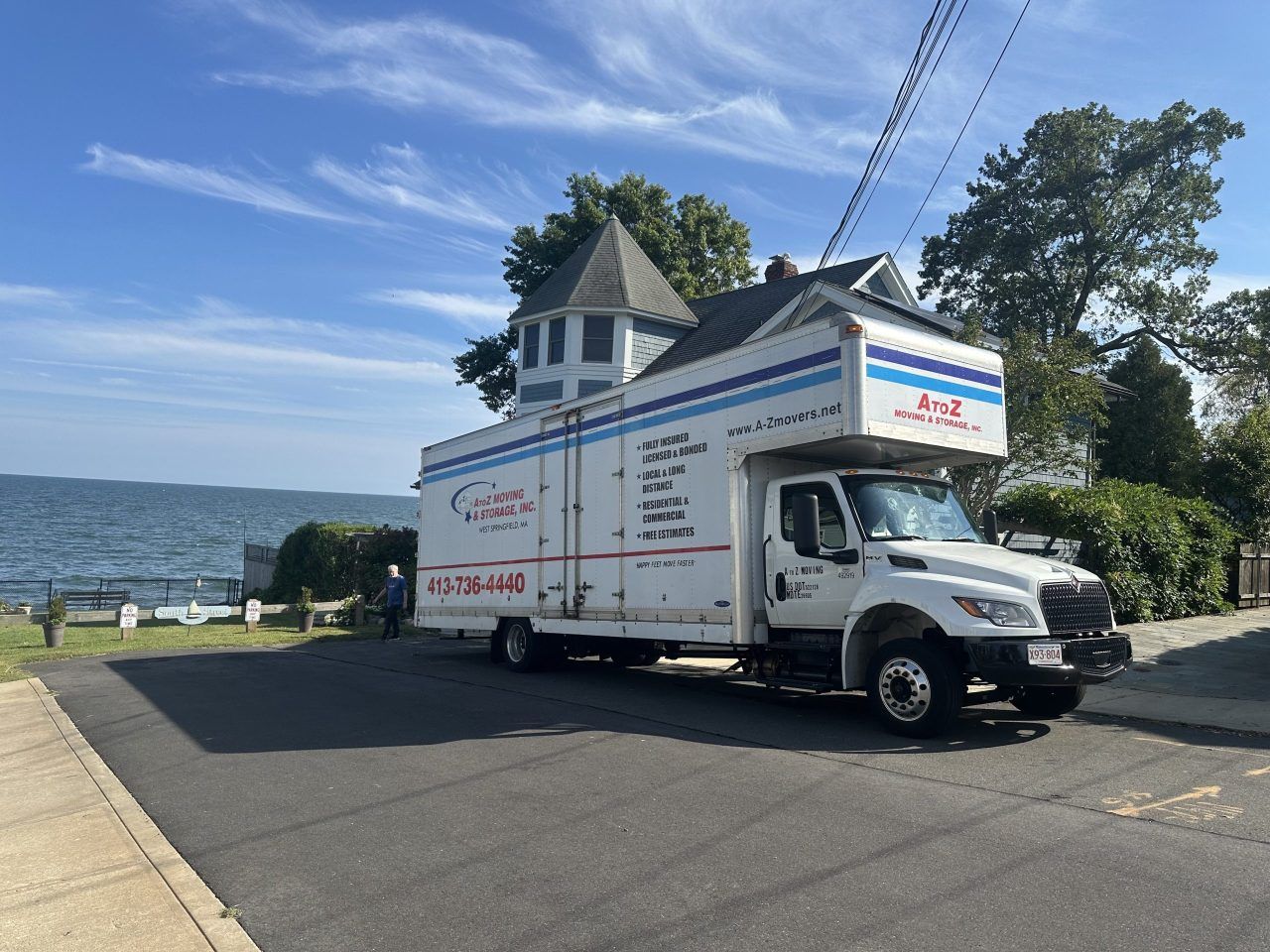
Moving heavy items in Massachusetts demands planning, patience, and the right help for a safe, efficient moving day. Big objects challenge strength, strain joints, and raise risks during tight turns, stairs, and winter doorway thresholds in Massachusetts homes. Mistakes cause injuries, property damage, and stress, so smart choices matter before you move heavy items. Local experts such as A to Z Moving and Storage have crews, gear, and planning that keep projects on track. Professional movers in Massachusetts use specialized equipment and proven techniques that reduce strain and protect homes during demanding tasks statewide.
This guide shares concrete steps, helpful tools, and decision points that improve safety, speed, and results for homeowners in Massachusetts.
Plan Before You Lift
First, measure doorways, staircases, hallways, and elevators so items actually fit without scrapes, stuck corners, or awkward angles during moves. Then, map the route from each room, noting tight spots, low lighting, or thresholds, and test doorstops and latches ahead.

Clear pathways, coil extension cords, and remove rugs so feet land securely while hands manage weight and balance safely. Create staging zones near exits for wrapped items, swapped hardware, and labeled bins, using painter’s tape to guide traffic flow. List the order of heavy pieces, choose lifters, assign roles, and schedule rests with water breaks and snack windows planned. Check price options for MA moving services in case professional backup solves tricky turns, steep stairs, or time crunches completely.
Use the Right Moving Equipment
The right tools reduce strain, increase control, and protect floors, so match each item with reliable equipment in good condition. Massachusetts homeowners find rentals and supplies at home improvement stores and tool rental centers statewide, including The Home Depot locations.
- Dollies and hand trucks move appliances and stacked boxes efficiently, while straps secure loads and improve handling on ramps safely.
- Furniture sliders reduce friction under couches, dressers, and cabinets, protecting hardwood, tile, and vinyl floors during careful pushes and pulls.
- Moving straps or harnesses shifts weight to stronger leg muscles, lowers back stress, and boosts control during steady walking maneuvers.
- Corner guards, blankets, and shrink wrap shield walls and furniture, keeping surfaces clean while items slide through narrow spaces smoothly.
- Work gloves with grip improve hold, reduce pinch points, and help teams communicate placements with calm signals between lifters consistently.
For rentals, check store policies, wheel capacities, and deposits, and confirm availability before weekends, storms, or campus moving dates statewide.
Disassemble When Possible
Disassembly reduces size, lowers weight, and improves grip, so remove legs, tops, and shelves before hauling through tight spaces safely.
Take refrigerator doors off hinges, secure drawers with stretch wrap, and tape hardware packets inside the main cabinet for transit. Place screws, clips, and bolts in labeled bags, and stick them onto matching pieces with painter’s tape for speedy reassembly.

Photograph wiring before disconnecting electronics, mark sides with arrows, and pack remotes and cables together in one container for setup. For busy offices, office moving companies Massachusetts manage workstation breakdowns, packing, and label systems that help with quick rebuilds across buildings. Then, wrap separated panels in blankets, stack lightweight parts on carts, and
keep walkways open while crews stage loads efficiently.
Lifting Techniques to Prevent Injury
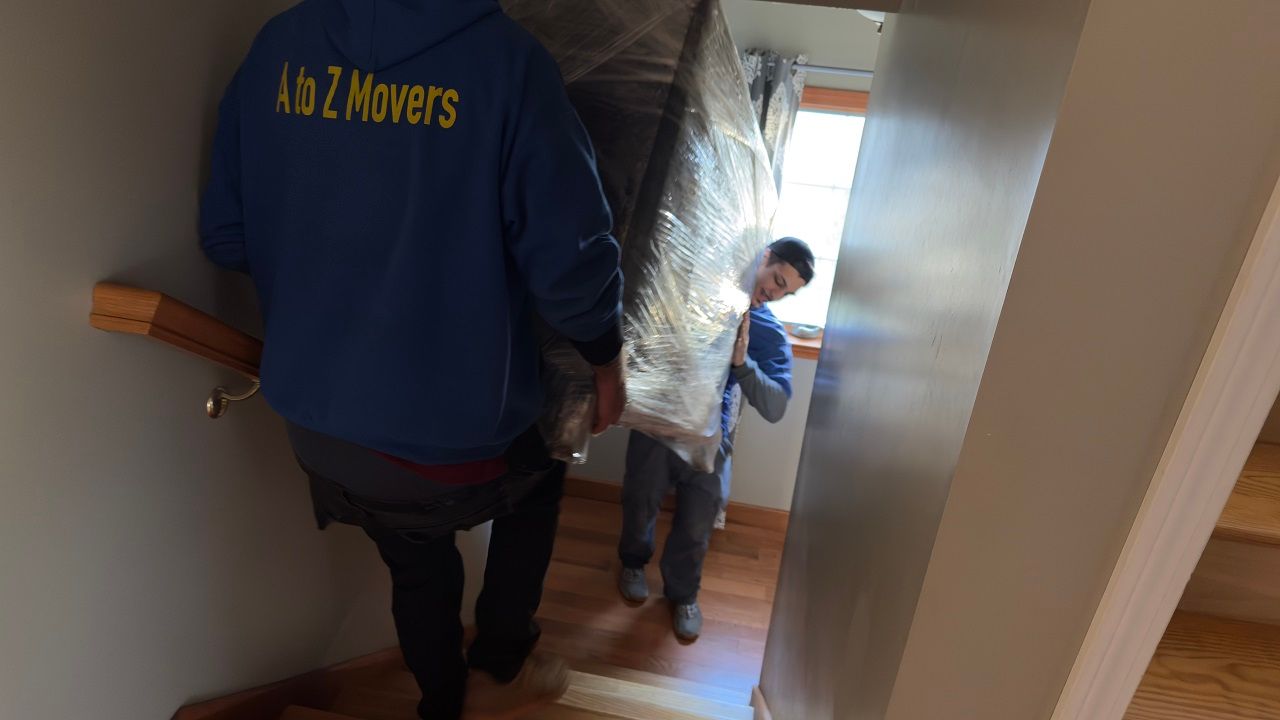
Start close to the load, plant your feet shoulder-width apart, and keep your back neutral while engaging your core before lifting. Bend through your hips and knees, drive through heels, and lift smoothly without jerks that strain spinal discs and ligaments. Keep items close to your body, avoid twisting, and pivot with short steps so joints align while you carry weight.
Limit solo lifts to safe weights; many ergonomics guidelines set ideal conditions at about fifty-one pounds before adjustments for frequency. Use team lifts for bulky shapes, count together, and follow a leader who calls pauses, rotations, and step-down placements clearly.
Stop if pain starts, lower the item carefully, and switch techniques or equipment before restarting under safer conditions with help.
Moving Appliances
Unplug appliances, shut water valves, and coil cords, then secure doors with straps and wrap corners to prevent wall marks. Keep refrigerators upright when possible, and allow standing time before plugging in after transport, following the manufacturer’s guidance for cooling. Hire technicians for gas lines and water connections, because Massachusetts licenses plumbers and gas fitters for public safety and compliance. Confirm appliance dollies have straps and stair rollers, and check wheel ratings before the loaded weight exceeds the posted capacity limits.
Moving Furniture
Remove table legs, headboards, and sofa feet, then pad corners generously to prevent scuffs while sliding through tight spaces indoors.
Lift dressers after removing drawers, carry cabinets upright, and keep glass tops detached, wrapped, and labeled for quick setup afterward.
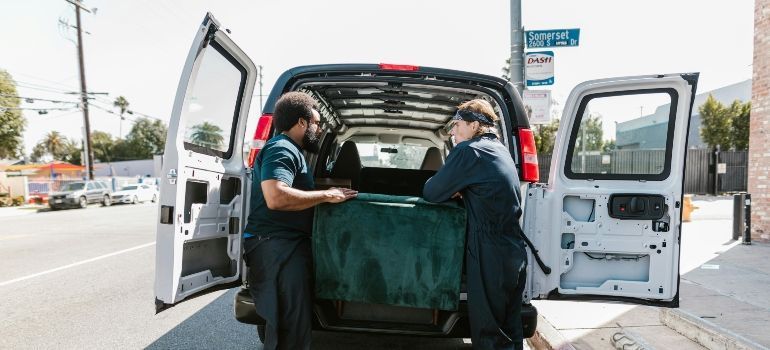
Use sliders on hardwood or tile, and place a rug runner under skids to keep surfaces clean and unscratched underneath. Keep hands clear at pinch points, call directions loudly, and step together through doorways to maintain control and balance consistently.
Moving Specialty Items
Pianos carry delicate soundboards and high-tension strings, so professionals with skids, boards, and padding protect them during travel best. Pool tables require slate removal, frame labeling, and re-leveling, which trained crews handle with dollies, bags, and precision tools correctly. Safes present extreme weight and shifting centers, so specialized equipment and anchoring knowledge prevent injuries, broken stairs, and cracked floors. Hire specialized movers in Massachusetts for these items, and demand proof of licensing, insurance, and documented training before commitments are finalized.
When to Hire Professional Movers in Massachusetts
Hire professionals when stairs are steep, hallways are tight, timelines are short, or items exceed safe solo lifting limits entirely. Licensed movers in Massachusetts hold DPU operating authority, file public tariffs, and carry cargo insurance for household moves within Massachusetts. For between-state trips, interstate moving companies Massachusetts follow federal rules under FMCSA oversight, including rights, estimates, and claims procedures requirements.
Benefits include trained crews, specialized gear, efficient packing, and predictable timelines that help families move faster with lower risks overall. Request on-site assessments, clear itemized estimates, proof of coverage, and confirmed dates, then book early during peak seasons statewide.
Confirm building elevator reservations, parking permits, and certificates of insurance for loading docks before crews arrive and begin work.
Move Heavy Items With Ease
Heavy lifting goes smoothly when you plan the route, use proper gear, and set clear roles for helpers before lifting. Smart choices protect backs, banisters, and budgets, while professional teams step in for complex stairs, oversized pieces, or deadlines looming. Use these steps to move heavy items safely at home, and call experts when risks start rising beyond comfort levels. Massachusetts offers strong resources, reliable movers, and helpful rentals, so plan today and finish tomorrow feeling confident, calm, and proud.