How to find your perfect home in West Springfield?
West Springfield often lands on relocation shortlists across western Massachusetts . If you plan a move, you probably have many questions. How expensive is it really? Which parts feel quiet, and which stay busy most days? These are smart questions, and we are here to answer them. If you need help moving in, our movers in Western Mass can also manage the practical side. That knowledge brings you closer to your perfect home in West Springfield. So let us start with the big picture and local market trends. You do not need local knowledge to start this process. You just need clear, honest information and some planning time.
Get a clear view of the local housing market
Before you start touring homes, it helps to understand the market. West Springfield’s median sale price sits around 340,000 dollars. H omes often go under contract in roughly 1 month, sometimes even faster. That pace means real competition, especially for well-kept single-family houses. Condos and townhouses can sometimes offer slightly lower upfront prices. Median rent hovers near roughly 1,600 dollars per month for typical homes. Those numbers help you compare renting for a year against buying immediately.

Cost of living estimates place the town above national averages, yet still manageable. The town often costs less than many eastern Massachusetts communities. Mortgage rates and available inventory still shift throughout the year. Because of that, check recent data as you plan your timeline. You can also watch how long listings sit before they sell. When planning both timing and logistics, many people contact local movers in Springfield MA early in the process. That pattern reveals which price ranges move fastest in each season.
Match West Springfield neighborhoods with your daily life
Once you know the numbers, you can focus on specific neighborhoods.
- Main corridors like Memorial Avenue and Riverdale Street carry heavy traffic and retail activity. Living nearby means quick access to stores, but also more noise and congestion.
- Quieter streets sit farther from major roads and shopping centers. They often bring calmer days but longer drives for errands.
- Blocks near the Connecticut River may lie inside mapped floodplains. In those areas, lenders can require flood insurance, which raises costs.
Ask sellers and agents about past water issues and basement upgrades . Then think about the Big E fairgrounds and September traffic. During the fair, streets can feel crowded for weeks.
Some people enjoy walking to events and food stands. Others prefer homes far from the crowds, buses, and evening noise. Local moving companies in West Springfield MA know these streets extremely well. Walk each area during different times and days before you decide. Conversations with residents often reveal details that listings never mention.
Build a budget that works in Massachusetts
Next comes your budget, which keeps the whole search realistic. Start with your monthly income after taxes and necessary expenses . Then decide how much you can safely spend on housing each month. Include:
- mortgage or rent
- property taxes
- utilities
- insurance
Use West Springfield’s median sale price near 340,000 dollars as a reference point. Compare that with the median rent of around 1,600 dollars per month. The town sits about 13% above national averages , but not extreme. It often stays more affordable than many eastern Massachusetts communities. Think about your other goals, like savings, travel, and retirement.

If housing takes too much, other goals become hard to reach. A realistic budget also softens your adjustment period in West Springfield. Local programs help first-time buyers with costs. Ask lenders and agents which options may fit your situation. Then test sample budgets for renting and buying at different incomes. Those examples show what feels comfortable instead of possible.
Look closely at schools, parks, and services
For many people, schools and services matter as much as the house itself. West Springfield Public Schools serve nearly 4,000 students across several buildings . You can review test scores, graduation rates, and student support programs online. It also helps to ask families about their experiences with schools. Private, parochial, and charter options nearby give families extra choices.
If you have children, map school zones against likely housing areas . Then look at parks, playgrounds, and recreation programs around those neighborhoods. Parks and paths help everyone stay active year-round.
Libraries, grocery stores, pharmacies, and medical offices should fit your routine. Check how long errands take from each possible neighborhood. S enior and assisted living communities operate in the wider area. These can support aging parents or future needs for your household. When you compare areas, picture your weekly schedule in each one. That picture makes tradeoffs between price and convenience much clearer.
Weigh safety, traffic, and seasonal challenges
Safety and traffic also shape how a town feels once you move in. Crime data show West Springfield above national averages on several measures. Visit neighborhoods during the daytime and evening to see real activity. Pay attention to lighting, noise, and how comfortable you feel walking .
Ask residents how they view safety on their own streets. Traffic patterns deserve the same kind of close look. Busy roads and highway ramps bring noise, trucks, and tougher left turns. Winter storms add ice, snowbanks, and changing parking rules during emergencies. Town notices may ban street parking until plows finish work. Think about the Big E fair and seasonal traffic spikes. Living closer means more crowds during those weeks but easier access. Balancing these factors helps you choose areas that feel right.
Think about commuting, walking, and expert help
Commuting needs and walking options also affect where you feel comfortable living. Many residents drive to jobs in the town of Holyoke, Springfield, or other nearby towns. Highways like Interstate 90 and 91 give regional access. However, rush hour traffic and winter storms can slow everything down. Test your likely commute routes during busy times whenever possible. See how long trips take and how stressful driving feels.
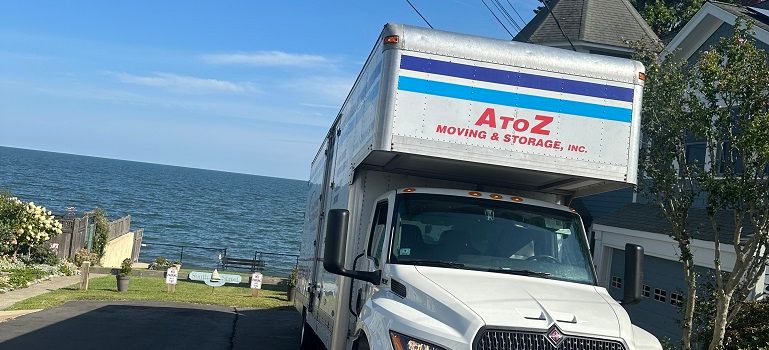
Some parts of West Springfield offer decent walking access to shops. Still, most households find a car helpful for daily life. If you are unsure, consider short-term housing while you explore. Extended stay hotels and furnished rentals provide a flexible base. During that time, you can meet agents and inspectors in person. They spot moisture issues, aging roofs, and other local problem patterns. Ask which areas newcomers regret choosing and why that happens. Their answers give practical guidance you will not find on listing pages.
Move forward towards your perfect home in West Springfield
At this point, West Springfield should feel less mysterious and more understandable. So what happens next? You choose a few neighborhoods that match your budget and priorities. Then you talk with agents, lenders, and residents about real options. You schedule tours, double-check numbers, and ask direct questions about concerns. Step by step, your search becomes more focused and less stressful. Most importantly, you are making decisions based on facts, not guesses. With that approach, you are more likely to find your perfect home in West Springfield.