How to Dispose of Unwanted Items Before Your Move
Decluttering before a move saves time, space, and money because fewer items need packing, lifting, tracking, unloading, and arranging carefully. Fewer boxes lead to smaller trucks, shorter load times, reduced labor, and lower fuel expenses on moving day overall. Clear decisions minimize stress and focus effort, which protects budgets and energy during a busy move that demands attention today. Create a plan to dispose of unwanted items before your move and follow practical steps that simplify every decision carefully. Movers, such as A to Z Moving and Storage, handle what stays, but disposal planning is crucial.
Start with a Sorting System
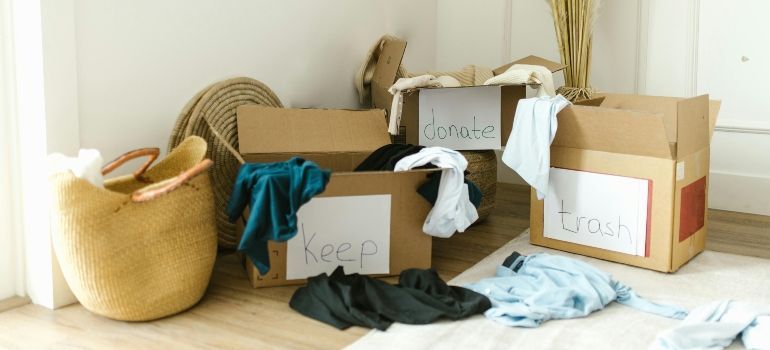
Start with five categories that keep decisions simple and clear: Keep, Donate, Sell, Recycle, and Trash bins for organization today. Work room by room to prevent overwhelm, finishing small zones before shifting focus to the next space intentionally. Label boxes and bags immediately with bold markers or colored tape so no one ever confuses destinations during loading days. Set daily goals and short timers, then take breaks, which maintains momentum and reduces fatigue during decluttering sessions consistently overall. Photograph items placed in Donate, Sell, or Recycle groups to confirm choices with family and track potential values reliably. In Massachusetts, find additional MA moving services, such as packing, so that sorted items depart smoothly and essentials reach the destination on schedule.

Donate Items in Good Condition
Donate clean, safe, working items to reputable charities, which helps families, reduces waste, and keeps useful goods circulating locally again. Goodwill accepts clothing and household goods, and donors can use valuation guides and receive receipts for potential tax deductions documentation. The Salvation Army schedules free pickups in many areas, funding rehabilitation centers through sales at local thrift stores nationwide daily.
Habitat for Humanity ReStores accept furniture, appliances, and building materials, and many locations offer convenient pickup for bulky donations appointments. Confirm condition standards before scheduling, since most organizations require items to be clean, complete, and in working order without safety issues. Check local donation centers for specialty needs, including shelters requiring linens, kitchenware, and seasonal clothing for families starting over nearby.
Sell What Still Has Value
Selling valuable items is one of the best ways to dispose of unwanted items before your move, and it returns quick cash and shrinks the load, which can reduce truck size and labor hours significantly overall. List goods on Facebook Marketplace, Craigslist, or OfferUp, and respond quickly to messages to secure committed buyers promptly and consistently. Use clear photos, honest descriptions, and realistic pricing based on condition to convert interest into confirmed sales without delays.
Consignment stores and secondhand shops set prices, display items, and pay a percentage, which saves time while reaching consistent traffic. Hold a garage or yard sale, and promote through neighborhood apps, signs, and community boards to drive steady turnout effectively. For corporate relocations, coordinate liquidations and timelines with office moving companies Massachusetts so spaces are clear before equipment packing begins carefully.
Recycle Responsibly
Recycle electronics through certified e-waste programs that handle data security, toxic components, and responsible material recovery under strict national standards. Best Buy accepts many electronics for recycling and offers haul-away options for televisions and major appliances for a fee today. Household hazardous waste includes paints, batteries, oils, pesticides, and cleaners that require special handling at designated community collection sites safely. Use city recycling for paper, glass, plastics, and cardboard, following contamination rules and pickup schedules posted through local programs carefully. Find nearby options using Earth911’s recycling search, covering hundreds of materials and over 100,000 listings across North America today. Search for where to recycle unwanted items near me, then verify restrictions before events or permanent drop-off sites to avoid issues.
Throw Away What Can’t Be Saved
Discard items that are broken, unsafe, moldy, or infested, because keeping them risks damage, odors, and potential health issues now. Consider renting a dumpster for large loads, with national averages near three hundred eighty-four dollars for a week-long rental period. Expect price ranges between two hundred and eight hundred dollars, depending on size, weight, permit fees, and rental duration nationally. Junk removal averages two hundred forty-two dollars, with typical ranges from one hundred thirty-three to three hundred seventy-two for households. Never toss batteries, paints, aerosols, or cleaners into trash streams because they create safety hazards and environmental risks during collection. For interstate relocations, coordinate disposal cutoffs with interstate moving companies Massachusetts so crews avoid loading banned or unsafe items entirely.
Special Considerations for Big Items
For furniture, schedule nonprofit pickup through Habitat ReStore appointments, or use municipal bulk trash days listed on official city calendars. Appliances pose disposal challenges, yet retailers and utilities often provide haul-away programs or rebates when delivering new replacement units nationwide. Best Buy can haul away a television or major appliance for a fee when providing a replacement purchased through stores.
Mattress recycling operates statewide in California, Connecticut, Oregon, and Rhode Island through the Mattress Recycling Council’s Bye Bye Mattress program. Check program directories for drop-off sites or events and confirm retailer take-back options or municipal curbside pickup rules locally beforehand. Before scheduling any pickup, review acceptance rules since groups often refuse stained mattresses, recalled baby gear, or incomplete appliance assemblies.
Time Your Disposal Before Moving Day
Plan donation pickups one to two weeks before the day, so staging areas are clear and schedules stay predictable for everyone involved. Reserve dumpsters or junk removal slots early because weekends and month-ends book quickly across many neighborhoods and apartment buildings nearby. Keep essential tools, bedding, and basic kitchenware until the final days, then donate duplicates or extras after confirming actual household needs.

Maintain a staging zone near an exit for outgoing items, labeled for donation, recycling, selling, or trash removal without confusion. Confirm appointments the day before, ensure driveways and hallways stay clear, and prepare payment methods and receipts for quick handoffs.
Aim to finish disposal tasks forty-eight hours early, leaving final cleaning and packing for essentials on the last day completely.
Dispose of Unwanted Items Before Your Move Easily
Decluttering reduces the number of boxes, lowers costs, and speeds up setup, while making careful disposal choices protects neighborhoods, donation networks, and local recycling systems. Use simple categories, clear labels, and steady schedules, then apply donation, selling, recycling, and trash options to lighten the load. Use trusted programs and published cost ranges, then plan pickups early so moving day remains calm, efficient, and on schedule. With a plan, you can dispose of unwanted items before your move and start fresh without carrying unnecessary clutter anywhere. Partners assist with transportation, while A to Z Moving and Storage and movers manage what stays efficiently and safely. Begin now and maintain steady progress, as each completed step frees up space, trims costs, and creates breathing room at home.