Housing market in Western Massachusetts: Everything you need to know
The housing market in Western Massachusetts spans across four counties: Hampden, Hampshire, Franklin, and Berkshire. Together, they hold just over 830,000 residents, with the largest shares in Hampden and Hampshire. The region stretches from the Springfield–Hartford metro in the south to the hilltowns and Berkshire mountains in the west. You get mid-sized cities like Springfield and Pittsfield, college hubs such as Amherst and Northampton, and very rural towns in Franklin County.
Moving to the area?
If you are relocating, you will probably hear two things right away. Prices are lower than in Greater Boston . Yet the market still feels tight and sometimes stressful. Western Massachusetts needs tens of thousands of new homes and apartments by 2035 to catch up with demand.
Rents rose roughly 35% between 2021 and 2024, and about 40% in Hampden County alone. Those numbers explain why buyers and renters feel squeezed. Still, people keep moving here for more space, strong institutions, and lower entry prices compared with eastern Massachusetts. Many newcomers hire moving companies in Western Mass that already know these towns well.
Understanding the housing market in Western Massachusetts
So what does the current market actually look like on the ground? Start with Springfield, the largest city. The average home value there sits around $288,000, and typical listings go under contract in under three weeks. That is a lot of activity for a city with roughly 155,000 residents and a metro area of nearly 630,000 people.

Across the four counties, vacancy rates for owner-occupied homes sit well below 1%. In many towns, homeowner vacancy is closer to 0.3%–0.6%, which is far below what analysts call a balanced market. Rental vacancy is also low.
Regional research from UMass Donahue Institute and Way Finders shows:
- fast-rising prices
- very tight rental supply
- strong competition for almost every type of housing
Their 2025 “Building Homes, Building Futures” report describes a clear affordability crunch and links it to slow construction, aging housing stock, and population aging. You can match this data with MA moving services when you plan the move.
When you put this together, you get a region where homes often move quickly, especially in stable school districts and near major employers, but still cost less than many parts of eastern Massachusetts.
How Western Massachusetts compares with Boston and Hartford
If you are moving from Boston, the price gap is usually the first surprise. In 2024, Massachusetts reached a statewide median single-family price of about $615,000. For Greater Boston alone, the median single-family price climbed to around $760,000, with some months near or above $1 million. In June 2025, the Greater Boston median for single-family homes hit about $1,003,000.
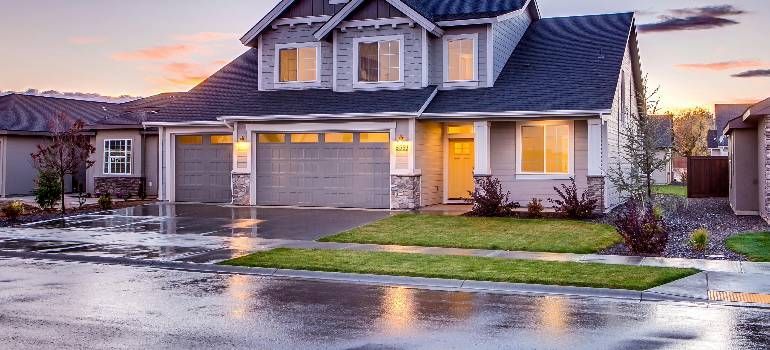
Western Massachusetts sits well below those levels, with the best towns to live in Western Massachusetts mixing affordability with great locations.
- The average Hampden County home value is roughly $336,000, with a median sale price near $348,000.
- Berkshire County’s median sale price is around $360,000
- Franklin and Hampshire Counties sit in the low $400,000s.
For many buyers leaving Boston or other coastal metros, that difference makes Western Mass feel much more reachable.
Hartford, just south of Springfield, has its own competitive market, yet Springfield often shows stronger “hotness” scores on listing sites because homes there go under contract so quickly. For commuters, t he Springfield–Hartford corridor can work as one combined job market , especially if you are open to cross-border commuting or hybrid work.
Key counties, cities, and neighborhoods to know
It helps to break the region into a few anchors. Hampden County covers
- Springfield
- Chicopee
- Holyoke
- Westfield
- Agawam
- West Springfield
- Ludlow
- East Longmeadow
- Longmeadow
- Wilbraham
Springfield is the economic center, with major hospitals like Baystate, large employers, and highway links along I-91 and I-90. West Springfield and Agawam appeal to commuters who want quick access to the bridges over the Connecticut River.

Hampshire County is the college cluster. Amherst, Northampton, South Hadley, Easthampton, and Hadley sit within short drives of each other. UMass Amherst enrolls about 30,000 students, and the Five College Consortium adds Smith, Mount Holyoke, Amherst College, and Hampshire College. This constant student and faculty presence shapes both the rental and sales markets in the top cities in Western Massachusetts for college students.
Franklin County is more rural, with Greenfield, Montague, Deerfield, and Orange as key centers. Berkshire County covers Pittsfield, North Adams, Great Barrington, Lenox, and smaller hilltowns. Pittsfield functions as a small city hub with arts, healthcare, and services, while southern Berkshire towns attract second-home buyers and retirees from New York and New England. Each of these sub-regions has very different pricing, commute patterns, and housing stock.
Current prices and rents across Western Massachusetts
Prices shift quickly from town to town, so it helps to look at actual medians.
- In Springfield, the typical home value is aroun d $288,000, and the median sale price sits in the low $300,000s, with homes usually going pending in under 20 days. In West Springfield, the average home value is closer to $347,000 and has grown a few percent over the last year. Hampden County overall shows a median sale price just under $350,000.
- B erkshire County’s median sale price is roughly $360,000 , with a median sold price per square foot in the low $200s. Recent listing data shows median list prices for Berkshire homes near the high $400,000s, with some months around $500,000.
- Franklin County hovers around the low $400,000s
- Hampshire County is around the mid $400,000s.
Rents also vary. In Franklin County, s tate data shows a median rent close to $1,100, yet newer leases often run higher. In Amherst and Northampton, two-bedroom units often reach $1,800–$2,500 or more, especially near campuses. County snapshots show that more than half of renters in Franklin County and a very high share in Berkshire and Hampden counties pay over 30% of their income on housing , which means many renters feel cost pressure.
Inventory, competition, and where the market seems headed
Inventory in family-friendly Western Massachusetts towns has improved slightly since the tightest pandemic years, but it remains low. In Berkshire County, Redfin data shows median sale prices up year over year , homes selling in roughly 40 days, and only a few months of supply at current absorption rates. Franklin County often sees homes go under contract in about three weeks. Hampden County’s market snapshot shows a median list price around $350,000, more than 1,200 active listings, and a median price per square foot in the low $200s.
At the same time, statewide reports from the Massachusetts Association of Realtors point to continued low inventory compared with pre-2019 levels . New listings have risen in some months, but not enough to restore a fully balanced market. On the rental side, th e Way Finders and UMass Donahue studies report a more than 20,000-unit housing gap by 2035 in Western Massachusetts alone, counting both for-sale and rental stock.
So where does that leave you as a newcomer? Expect competition for well-priced homes , especially starter homes under roughly $400,000 in good school districts or near job centers. However, c ompetition often looks less extreme than in Greater Boston suburbs , where prices and down payments run much higher.
Why the housing market in Western Massachusetts can feel so competitive
If prices are lower than in Boston, why does it still feel hard to buy here? One big reason is supply.
- The state’s recent housing plan calls for 222,000 new units by 2035, with a significant share needed in the four western counties. Yet local zoning, infrastructure limits, and construction costs often slow new projects, especially outside a few denser centers.
- Another reason is demographics. Western Massachusetts has an aging population. Projections show the share of residents over 65 rising sharply, especially in Franklin and Berkshire Counties. Older homeowners often stay in place and hold onto their properties. That means fewer move-up homes entering the market each year.
- Rents jumped roughly 35% across the region between 2021 and 2024, and about 40% in Hampden County. Many renters now pay more than 30% of their income for housing. Some want to buy but struggle with down payments and mortgage qualifications.
- Student demand from UMass Amherst and the Five Colleges keeps Amherst, Hadley, Northampton, and South Hadley especially tight on rentals. All of these forces combine to keep demand high and listings limited. A local moving company in Western MA then helps align closing and move dates once you finally secure a home.
Location-specific challenges buyers should expect
Every region has its quirks, and Western Mass is no exception. Housing stock here is older than in many fast-growing Sun Belt metros . In Hampden and Berkshire Counties, large shares of homes were built before 1970. That often means dated wiring, older roofs, and less efficient heating systems . If you buy a classic triple-decker or older single-family home, you may face higher winter heating bills and steady maintenance projects.

In more rural parts of Franklin and Berkshire Counties, many properties rely on private wells and septic systems rather than public water and sewer. Those systems need thorough inspection before closing and regular care over time. Broadband internet can also be slower or less reliable in some hilltowns, which matters for remote workers. Winters bring heavy snow to towns like North Adams, Charlemont, and Plainfield. Long driveways, steep hills, and limited public transit can affect daily life.
Zoning rules vary sharply by town. Some communities restrict multi-family development or accessory dwelling units, which can limit options for extended families or rental income. Property tax rates also differ widely between towns , so you should compare tax bills rather than just list prices. Out-of-state buyers often rely on long distance moving companies in Massachusetts for the logistics when they tackle these challenges.
Deciding whether to rent or buy first
Should you rent first or jump straight into buying? What is the best time of year to move in Western Mass ? The answer usually depends on your timeline and flexibility. In student-heavy towns like Amherst and Northampton, two-bedroom apartments commonly rent in the $1,800–$2,500 range, and some newer or downtown units cost more. Franklin County’s median rent is lower, but many renters there still feel cost-burdened. In Hampden County, one snapshot shows a median rent around $1,100, though newer leases in popular neighborhoods often land higher.
If you are unsure where you want to settle, a one-year lease can be a smart way to explore. You might rent in Springfield or West Springfield first, then spend weekends visiting East Longmeadow, Longmeadow, Wilbraham, Belchertown, or Hadley. This approach helps you test commutes, school districts, and daily routines before you lock in a mortgage.
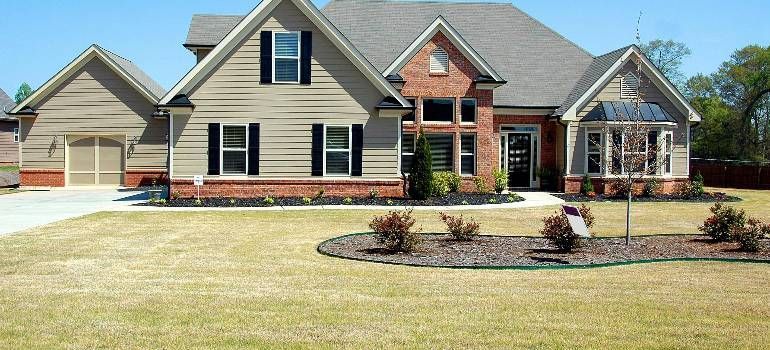
However, renting does not automatically mean lower monthly costs. In some Western Mass towns, a modest fixed-rate mortgage can be similar to or slightly higher than local rents. The bigger hurdle is usually the down payment, closing costs, and credit requirements. If you expect to stay at least five to seven years and can manage the upfront costs, ownership may make sense.
Taxes, utilities, and long-term ownership costs
Looking at list prices alone can be misleading.
- Property taxes, utilities, and insurance all shape your real monthly budget. County comparisons show median annual property tax bills around $4,300 in Hampden County, $5,300 in Hampshire, and just under $4,600 in Franklin. Effective tax rates in Hampden County sit near 1.6%–1.7% of home value , higher than the national median of roughly 1%.
- Heating is another big factor. Many older homes still use oil or less efficient gas systems . In hilltowns and rural areas, long winters and exposure to wind can raise fuel use. Newer homes around Amherst, Hadley, and parts of Northampton often have better insulation, modern windows, and more efficient boilers or heat pumps, which help keep costs down.
- Insurance premiums have risen across much of the country, including Massachusetts. While Western Mass does not face the same hurricane risk as coastal counties, higher rebuild costs and general market trends still push rates upward. When you compare towns, ask your agent and insurer for sample tax bills and insurance quotes so you can see the full picture, not just the mortgage payment.
Planning your move with the housing market in Western Massachusetts in mind
With so many numbers floating around, where should you look first?
- For broad trends, the Massachusetts Association of Realtors publishes monthly and annual market reports that include Western region data.
- UMass Donahue Institute and the nonprofit Way Finders offer detailed Western Mass housing studies and slide decks, including the “Building Homes, Building Futures” report and county-level snapshots.
- Regional planning agencies, such as the Franklin Regional Council of Governments, publish zoning, permitting, and housing studies that explain why some towns see more building than others. Local REALTOR® boards and municipal planning departments also share tax rate sheets and housing reports on their website
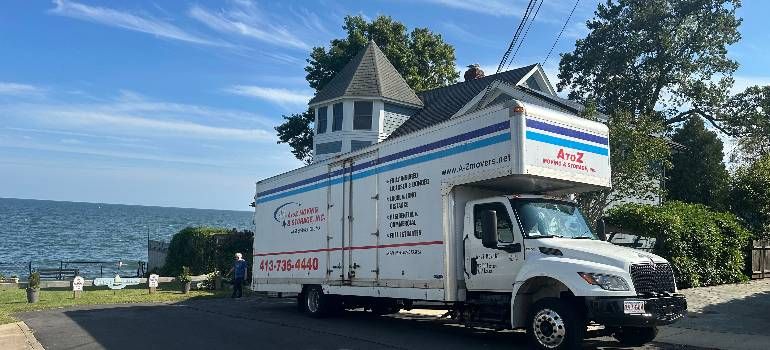
Make timely plans for the housing market in Western Massachusetts
So how should you approach a move? Start with a realistic price range based on your income, debts, and savings . Then pick a short list of towns that match your commute, school, and lifestyle needs. Use the data sources above to understand recent sale prices, days on market, and typical rents. Talk with at least one local agent and, if possible, a nonprofit housing counselor who knows Western Mass specifically . When you combine solid numbers with local insight, this region becomes much easier to navigate. You can enter the market with clear expectations and a plan instead of guesswork.