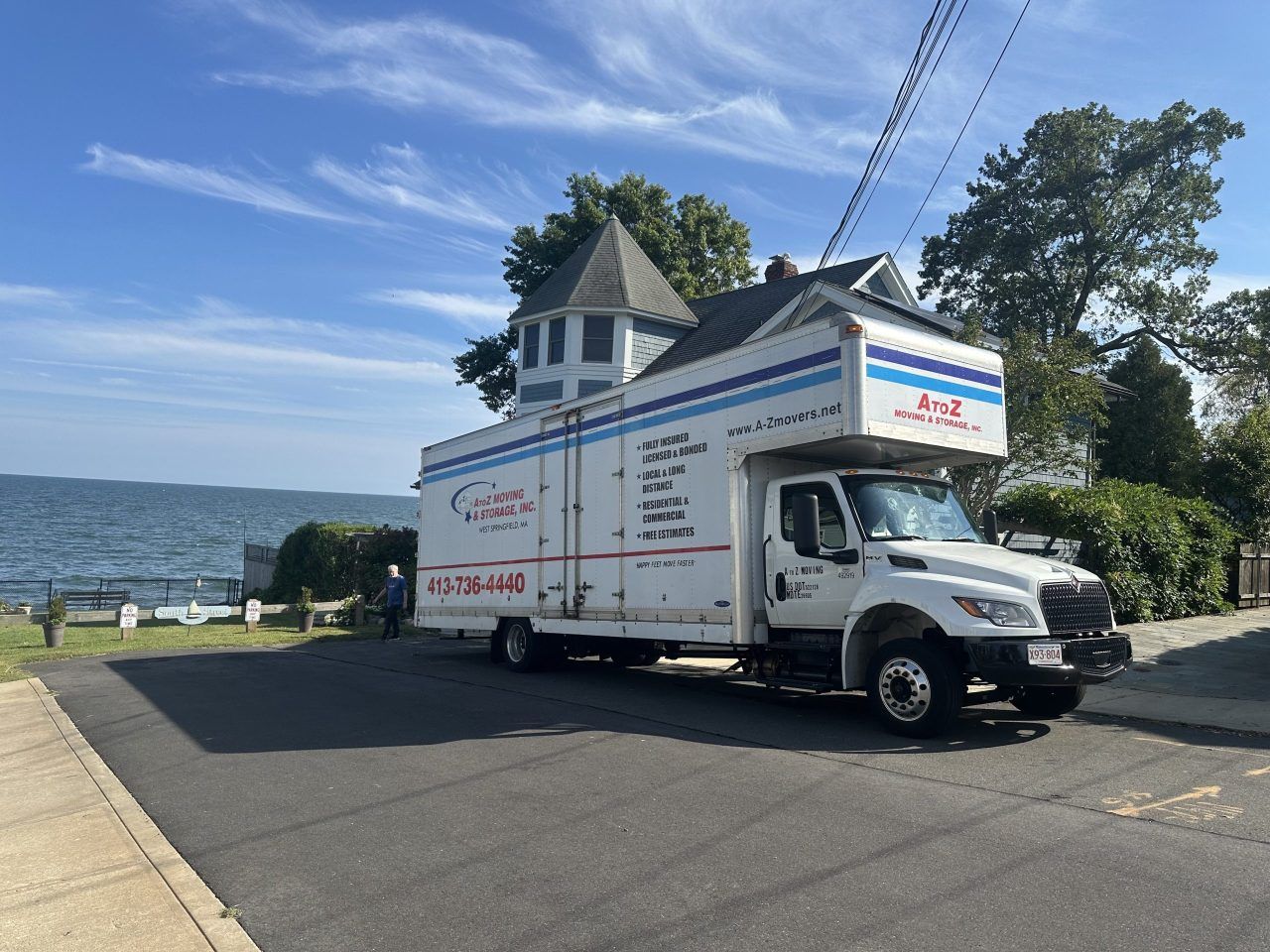
Hidden costs of moving you should be aware of
Moving costs rarely match the first estimate you receive. You look at the base rate and feel everything seems covered. Then different fees start popping up from every direction. Many of these are simple hidden costs of moving. Tight streets, elevators, long drives, and neighborhood rules all push costs higher. City apartments, quiet suburbs, and rural homes each create different surprise expenses. Does your building charge for elevator bookings or weekend moves? Could your street need a special parking permit for the truck? These details matter more than most people expect at first. With the overview, you can ask better questions and build a realistic budget . If you move within the state, a Massachusetts moving company can also explain local rules and typical extras.
Extra fees hiding in your moving quote
Many movers show a base price first, then mention extra fees later. Written estimates help, yet they still allow separate charges for extra services. Stair carries, elevators, long hallways, and shuttles often appear as add-ons. Urban moves see more stair, elevator, and shuttle fees than suburban moves.
Suburban Massachusetts relocation costs can still bring long carry fees from distant shared parking lots.
- Rural homes may add extra mileage, travel time, and higher fuel surcharges.
- Truck rentals can look cheap but hide per-mile fees and insurance costs.
- Equipment rentals for dollies, pads, and ramps also increase a self-move bill.
- Sales tax on services and supplies raises the final price in many states.
Have you checked whether weekend or peak date pricing affects your estimate? Heavy items like safes, pianos, and gym machines usually bring added charges . Always ask for a full fee list and get each scenario in writing.
Access issues that raise your final bill
Access at each address often decides how expensive the move becomes. Downtown streets may block large trucks, so movers bring smaller shuttles instead. Each transfer between trucks adds labor and separate shuttle fees to your invoice. Tight alleys and loading zones can limit safe parking on moving day. Some cities require paid permits or temporary signs for moving trucks near homes. Without permits, trucks risk tickets or towing that you may pay for eventually. High-rise buildings often control elevator use with strict booking windows and deposits. Miss those windows, and you might face overtime fees or a rescheduled move.

Gated communities and condo boards sometimes charge special move-in or elevator fees. These charges usually appear in community rules, not the moving quote. Rural homes bring long driveways, soft ground, and longer walks to the door. To avoid surprises, share detailed photos and building rules before signing any estimate. You also reduce surprise tickets and access fees, which helps you stay within budget during your move, even in strict city neighborhoods.
Packing, supplies, and labor that add up
Packing almost always costs more than people expect, especially in busy cities. Boxes, tape, bubble wrap, paper, and labels all seem cheap at first glance. Once you pack a full household, those small prices grow very quickly. Special wardrobe boxes, mattress bags, and TV cartons raise packing costs even further. If movers pack for you, they charge for both materials and labor hours. Packing crews move faster than most families but still increase the invoice total.
Disassembly of beds, shelves, and fitness equipment often appears as extra labor. Reassembly at the new address can also carry separate service charges. Fragile dishes, artwork, and electronics may need custom crating or double boxing. Last-minute packing on moving day often triggers overtime rates and rush fees. Crews then extend loading time, which affects building schedules and elevator bookings. Some companies charge to remove used cartons or dispose of packing debris properly. Full-service options from reliable MA moving services may cost more upfront, but keep these tasks organized.
Insurance and valuation that do not cover everything
Many people assume movers fully insure every shipment automatically. In reality, interstate movers usually provide valuation, which only sets liability limits . Released value protection often covers about sixty cents per pound for each item. That barely covers most furniture, electronics, or designer pieces in real conditions. Full value options cost more but pay repair, replacement, or cash settlements.
Some movers sell third-party policies or suggest outside insurers for extra coverage . Policies may include deductibles that reduce payouts on smaller damage claims. Companies often refuse responsibility for boxes you pack yourself, especially fragile pieces. International shipments add marine insurance and different valuation terms at ports and borders. You need written details for coverage limits, exclusions, and clear claim steps. Ask movers to explain every option and compare it with any home policy. Then choose protection that matches your inventory list, budget, and comfort level.
Storage, timing, and schedule changes that increase costs
Delays between move-out and move-in dates create new expenses. If your new home is not ready, movers may store goods temporarily. Storage in transit usually includes handling into warehouses and back onto trucks. Each handling step adds labor fees, storage rent, and sometimes warehouse access charges. Independent self-storage units add rent, insurance, and one-time admin fees. Climate-controlled spaces cost more but protect items from heat and humidity. Scheduling changes also affect your wallet, especially during peak summer or weekends.

Rescheduled dates may trigger penalties or higher seasonal rates from busy movers. Waiting time fees apply when movers sit idle outside closings, keys, or elevators. Overtime charges appear when building rules limit hours, and crews stay longer. Travel days add hotel bills, meals, and fuel if you drive with family. To stay prepared, keep timelines realistic and budget for one possible schedule change.
Local housing, permits, and setup costs to expect
Housing-related expenses can match or even exceed your mover’s bill. Renters often pay application fees, security deposits, and the first month’s rent together. Pet-friendly buildings may charge nonrefundable pet fees or monthly pet rent. Home buyers face closing costs, appraisal fees, and inspections near move dates . Utilities rarely switch for free, so plan for connection and disconnection charges. Internet, cable, and streaming services sometimes include installation fees or equipment deposits, too.
Some cities require parking permits or temporary signs for trucks near your home. Without them, trucks risk tickets or towing, which companies may bill back. Move-out cleaning often needs more than a quick vacuum and dusting. Landlords can hold deposits for stains, holes, or junk left behind. New homes also need curtains, tools, and storage pieces to feel functional. It also helps to budget for locksmith visits and security updates at your address.
Long-distance and international move surprises
Long-distance moves multiply costs because distance touches many budget lines at once. Carriers calculate charges using weight, mileage, fuel, and accessorial services like storage. Tolls and parking fees along busy routes also appear on final invoices. Families who drive themselves pay for fuel, hotels, and roadside meals repeatedly.
Sometimes shipping a car costs less than driving and missing work days. International moves raise stakes with customs duties, port fees, and possible taxes. Containers that sit at ports for long periods can incur demurrage fees. You also face
- visa fees
- residence permits
- registration costs
- banking changes
- driver’s license exchanges
- health registrations
Pet owners may pay vet checks, microchips, crates, and possible quarantine expenses. Because of this, you should ask international movers for a detailed quote. Then build a travel budget that covers your own transport, housing, and waiting time.

How to budget for fewer moving cost surprises
Once you understand the main cost categories, budgeting feels less confusing.
- Start with at least three written estimates from licensed, well-reviewed movers.
- Ask each company to list possible surcharges for stairs, elevators, shuttles, and storage.
- Request separate pricing for packing labor, materials, and specialty item handling.
- Then compare those estimates with housing, deposit, and utility setup costs.
- Next, add travel, pet, and storage plans to your written budget.
Keeping a small buffer for unexpected expenses is a good idea. Some households set aside five to ten percent of the total move budget. Track every quote, deposit, and receipt in one simple document or app. Review spending each week, then adjust plans if numbers start climbing. Finally, weigh the full cost of a self-move against hiring professionals. Consider time off work, stress, and physical strain as real costs in that decision.
Prepare for the hidden costs of moving
You have now seen how location, timing, and services change your bill. City streets, rural roads, and building rules can each add their own fees. You cannot remove all hidden costs of moving, yet you can plan for many . Ask direct questions, request detailed estimates, and share full information about each location. Then compare your options and pick services that match your budget. With that mindset, your finances stay safer, and your move feels more controlled.