Cost of Living in Hartford After the Move
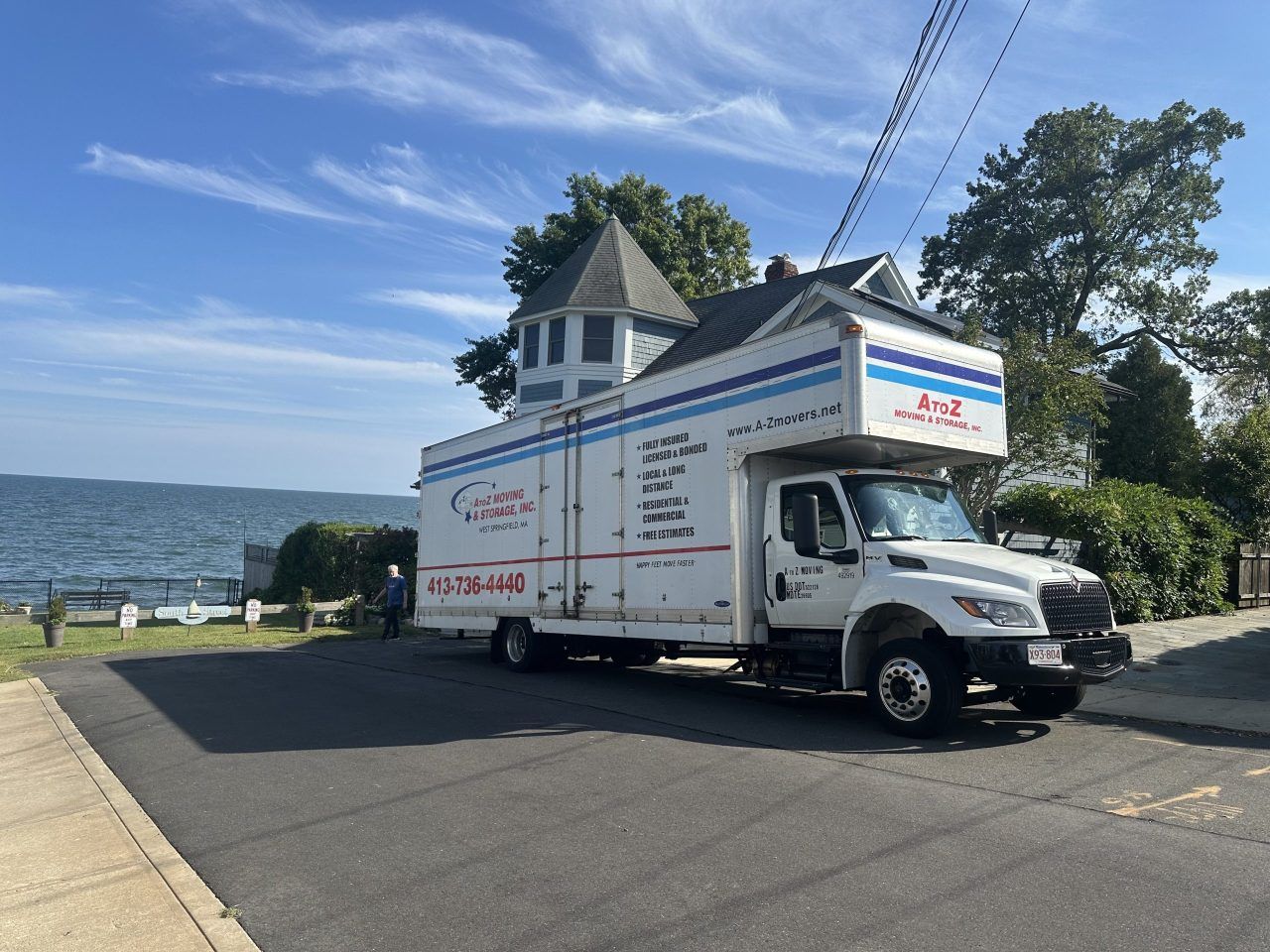
Hartford is Connecticut’s capital with deep history, strong hospitals, and steady employers. People who relocate want clear numbers first, so in addition to the cost of living in Hartford, you should also learn the cost of moving companies, such as A to Z Moving and Storage. New residents in Hartford quickly see those first-month expenses add up — from utility deposits to parking passes. It’s a reminder that early budgeting matters. The good news? The cost of living in Hartford can stay very manageable when you prioritize major expenses like housing and winter heating right from the start.
Housing Costs
Hartford home prices sit below many coastal Connecticut markets, while rents track near or slightly under national norms. Downtown condos often cost more than neighborhood three-flats, and nearby suburbs add space but raise tax exposure. Lease terms vary by building and season; winter vacancies can be easier, yet heating costs rise at the same time. Housing is the single biggest driver of the cost of living in Hartford. For cross-state arrivals, families often price routes and timing with interstate moving companies Massachusetts business owners love, which helps align move dates with lease starts.

Utilities And Household Expenses
New England winters press the budget. Heat runs long, and electricity trends higher in many states. Summer AC shows up in July bills, though insulation quality changes the story from building to building. Plan for a winter buffer so heat bills never derail the month.
A quick monthly snapshot helps set expectations:
- Electricity: $200–$285
- Heating gas or oil: ~$110 in shoulder months; higher in deep winter
- Water and sewer: ~$70
- Trash: city or private; varies by address
- Internet: $60–$100
- Cable or streaming: $20–$80 add-on
During office relocations, find commercial moving services in Massachusetts that coordinate utility handoffs and access windows to avoid after-hours fees or elevator surcharges.
Transportation Costs
Most residents drive, yet downtown workers often mix in transit to save time and money. Insurance rates change by ZIP code and record. Registration and routine maintenance add steady costs across the year. Downtown garages set tiered pricing; early-bird deals help, while month-to-month plans raise flexibility. If work sits in the core, compare garage contracts before signing a lease.
Quick checks that help:
- Gas: follow the weekly state average before long commutes
- Insurance: pull two or three quotes and match coverage line by line
- Registration: budget plates plus emissions when due
- Parking downtown: about $60–$186 per month by garage
- CTtransit or CTrail monthly: compare pass cost to daily parking
Food And Groceries
Groceries in Hartford trend a bit above national averages on several staples, yet careful shopping pulls totals down. Club stores reduce per-unit costs, while weekly flyers at neighborhood markets help with produce and dairy. Farmers’ markets add seasonal value and quality. A tight list, one bulk run, and two quick top-ups can trim a full week’s bill.
Dining out spans food trucks near the parks, diner breakfasts, and mid-range bistros near theaters. Lunch under $15 stays common at trucks and counters. Dinner checks vary by course and beverage, so weeknight prix-fixe or early seating menus keep spending steady without cutting quality.

Healthcare Expenses
Access stays strong across major systems. Hartford Hospital anchors a broad network with trauma and specialty lines, while Saint Francis adds a teaching center and clinics across the region. Primary care, pediatrics, cardiology, and orthopedics all sit within short drives from most neighborhoods. Healthcare access is wide, yet premiums and out-of-pocket costs still require careful review. Employer plans differ on networks and deductibles, and Access Health CT options change each enrollment period. Families reduce monthly strain by pairing a primary doctor with a nearby urgent care, which steers non-emergency visits away from higher-cost settings.
Taxes In Connecticut
Connecticut uses a progressive income tax, so the final rate depends on brackets and filing status. Sales tax in Hartford is 6.35% with no local add-on, which keeps everyday purchases simple. Car property taxes and city mill rates deserve a spot in any budget, since both hit cash flow right after a move. A quick paycheck calculator plus city and car tax estimates make the cost of living in Hartford far clearer. That combined view blends income tax, sales tax, and local property assessments into one plan you can track each quarter, and there will be no surprises when you move with one of the moving companies Hartford CT residents trust.
Lifestyle And Miscellaneous Costs of Living in Hartford
Free and low-cost culture helps the monthly math. The Wadsworth Atheneum runs resident deals and special free days. The Bushnell calendar stacks concerts and shows across the season. Libraries offer museum passes, homework help, and kids’ events. Weekends can stay full without draining the budget, which improves day-to-day quality of life.
Gyms range from value chains near $20–$30 per month to premium clubs with pools. Youth sports fees vary by league and equipment, so ask about loaner gear. Private K-12 tuition across the state sits high, while local colleges post typical New England rates; financial aid shifts the picture and should be part of any family plan.
Cost Of Living Comparison
Inside Connecticut, the city of Hartford often undercuts Stamford on housing and competes with New Haven on rent. Bridgeport shows pockets of lower costs, yet travel times and job access change the math. For many families, the cost of living in Hartford beats coastal Fairfield County by a wide margin. Against the U.S. average, total land costs close once housing, utilities, and winter heat are balanced. That mix keeps the cost of living in Hartford competitive in New England, especially for renters who lock in a fair lease and track seasonal bills.

Year-One Budget Strategy
Hartford offers big-system jobs, respected hospitals, and city culture at a price that rewards planning. The cost of living in Hartford stays in line for many households when a sensible rent or mortgage comes first, a winter heat buffer sits in savings, and transit compares favorably to daily parking. Build a line-item budget for housing, utilities, transportation, food, healthcare, and taxes; watch the first three months closely; then adjust fast so the plan works for the full year.