7 things professional movers can’t move
Relocating can be overwhelming, right? But having professional movers take care of the heavy lifting is a huge help. They know how to pack, load, and transport your stuff safely. However, there are some items movers won’t touch—and it’s important to know about these ahead of time. Why? Because it can save you from last-minute surprises when you’re about to load up the truck. Some of these items are restricted by law, others are just too dangerous or delicate for movers to handle. If you’re working with reliable moving companies in Massachusetts, they’ll inform you of these restrictions well in advance. So, what are these things professional movers can’t move? Let’s dive into the seven most common ones and see how you can handle them yourself.
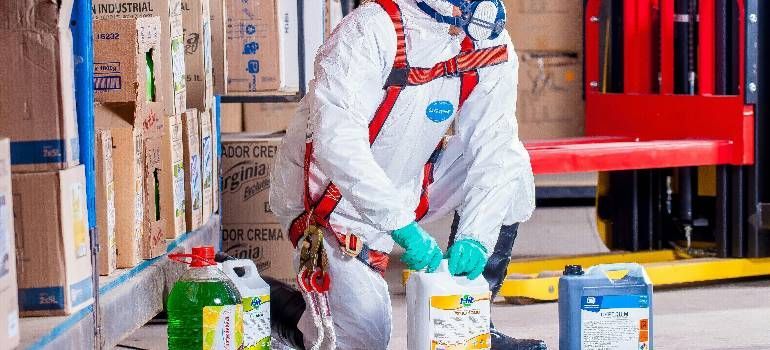
Hazardous materials: things that pose a serious risk
You might not think about it, but many everyday products are actually hazardous materials. Movers can’t transport flammable or dangerous items like:
- gasoline
- propane tanks
- or motor oil
The reason is simple—these items can be explosive or release toxic fumes, especially in a closed moving truck. Even things like pool chemicals, nail polish remover, or certain cleaners can be risky. Imagine a can of spray paint leaking or a bottle of bleach spilling—definitely not something anyone wants to deal with during the move!
When looking for local movers in Springfield MA, you should ask about their policy on handling hazardous materials. It’s better to get rid of these items before the movers arrive, or you can transport them yourself in your vehicle.
Perishable goods: Why your food can’t travel with you
So, here’s the thing—food doesn’t belong on a moving truck. Sure, we all love packing our kitchen for a fresh start, but movers won’t handle perishable items. Think about it: f ood goes bad, and that can cause a huge mess . From milk and eggs to frozen pizza, anything that needs refrigeration or freezing could spoil along the way.
Not to mention, the truck’s temperature can change during transit, which isn’t ideal for keeping food fresh. If you’re planning a long-distance move, most long distance moving companies in Massachusetts will advise you not to bring perishable items. It’s best to either eat what you have left, donate any unopened food to local shelters, or just toss out what’s expired.
Personal documents and valuables: Keep them close
Here’s a no-brainer—important personal documents and high‑value belongings should stay with you for safety and legal reasons. Movers may physically load these items, but insurance often won’t cover loss or damage of documents that are in reality hard or impossible to replace, such as:
- passports
- birth certificates
- Social Security cards
- deeds
- wills
- medical or school records
The same goes for valuables like cash, jewelry, coin collections, and precious metals—you’d rather keep them close. You might want to double-check your moving company’s policy regarding valuable items, but in most cases, it’s safer to transport them yourself. Any reputable moving company will tell you this. If they do not, you should probably re-evaluate your mover. It’s a good idea to pack these items in a special “do not pack” box and keep them with you. That way, you have easy access to them throughout the move, and they’re safe with you, not in the hands of movers.

Pets and plants: moving living things requires care
Pets are family, and you wouldn’t let a moving truck transport them, would you? Moving companies can’t move your dog, cat, or fish because of their special needs during the journey. A moving truck doesn’t have the proper environment for animals:
- temperature control
- air circulation
- comfort
Plus, long travel times can stress them out. Plants, too, are tricky to transport. Aside from being delicate, plants can be subject to state regulations to prevent pests from spreading across borders. Some interstate moving companies in Massachusetts can advise you about plant restrictions, but you’ll likely need to transport them yourself. So, plan to bring your pets and plants in your own car or hire a pet transport service. It’s safer and more comfortable for your furry friends.
Firearms and ammunition: keep them safe and legal
Moving firearms or ammunition? It’s not something movers will touch. There are very strict laws surrounding the transport of guns and ammo, and moving companies must follow them. Even unloaded firearms require special handling and documentation. It’s not just about keeping things safe—it’s about legal compliance, too.
Federal laws like the Firearm Owners Protection Act (FOPA) specify how firearms must be transported:
- unloaded
- locked in a container
- ammo stored separately
Moving companies are understandably cautious about this because, if done wrong, the consequences can be severe. So, if you have guns, make sure you handle them yourself or use a licensed firearms transport service to move them safely.
Large, heavy, or special things professional movers can’t move
Let’s talk about those big items that just won’t fit into a moving truck or need special care. We’re talking about things like pianos, large safes, and oversized workout equipment. These items are heavy, bulky, and sometimes just plain tricky to move. A standard moving company truck might not have the equipment to handle them properly. That’s why, for these items, you might need a specialist.
Whether it’s a grand piano, a massive safe, or a pool table, they usually need extra help from professional movers who specialize in handling heavy or fragile equipment. Some moving companies even have separate crews dedicated to these types of jobs. The best thing you can do is call ahead, tell them what you’ve got, and make arrangements for these large items. It may come with an extra cost, but it’s worth it to keep everything in one piece.
High-risk or unique items: Extra care needed for special treasures
Do you have things like artwork, antique furniture, or rare collections? These can be delicate and difficult to move, so professional movers often won’t handle them without extra care. Items like fine art, glass sculptures, or antique furniture can require custom crating, padding, and climate control during transport. That means it’s often necessary to hire a company that specializes in moving high value or delicate items.
Whether it’s shipping rare collectibles or a priceless family heirloom, specialized packing and transport services will ensure that everything arrives safely. Additionally, some moving companies may refuse to move these items without proof of value or insurance. If you have something truly unique, make sure to make arrangements early and ask your movers about their procedures for handling these special pieces.
Handling the things movers can’t move
Knowing what things professional movers can’t move helps you plan your move better. While you can trust your movers with most of your household items, certain things require special attention. Whether it’s hazardous materials, perishable items, sensitive documents, or large, heavy items, it’s essential to handle these yourself. Take the time to organize these things before moving day to avoid any headaches. And remember, when in doubt, ask your moving company about restrictions. With the right preparation, you’ll be ready to tackle anything that comes your way during the move.