7 household items you can’t move alone
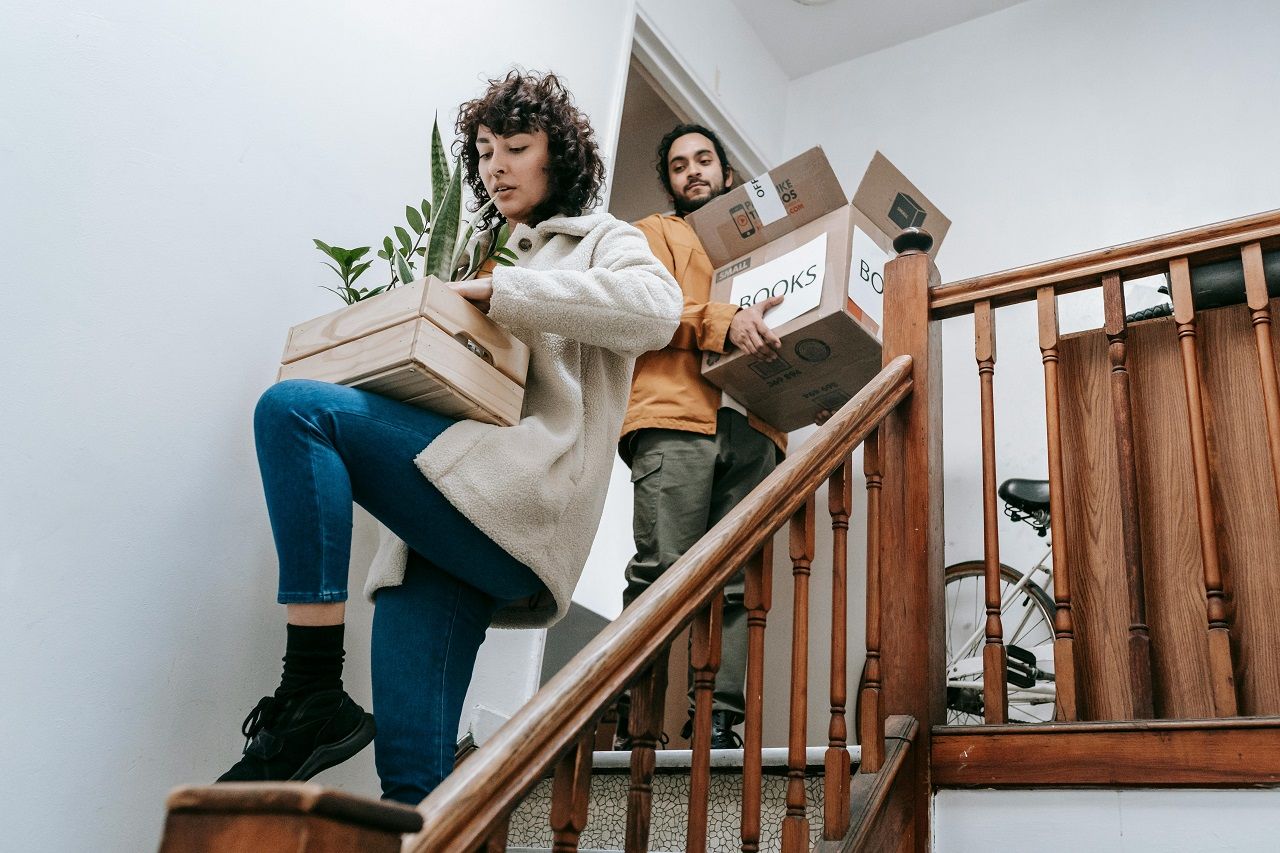
Moving sounds simple at first. You pack your boxes, book a truck, and set the date. Then you look at the piano, the fridge, or the heavy wardrobe. Suddenly, the move feels different. Some items are not just heavy. They are awkward, fragile, tall, wide, or hard to control . Stairs make things harder. Narrow halls make things worse. Tight corners? Even worse. That is why it helps to know the household items you can’t move alone before moving day arrives. A little planning can save your back, your floors, and your furniture. More importantly, it can help you avoid a stressful and unsafe move. For smaller but still tricky jobs, small movers in Springfield MA can be useful when the item needs more than basic help.
Pianos need trained hands
A piano is not just another heavy piece of furniture. It is large, delicate, and difficult to grip . It also has inner parts that can be damaged by poor handling. Could 2 strong people move one without help? Maybe. Should they? Usually, no.
Pianos need careful planning. Upright pianos and grand pianos also need different moving methods. A grand piano may need partial disassembly before it leaves the room. That means legs, pedals, or other parts may need careful removal.

Professional piano movers in Springfield MA may use:
- padding
- straps
- dollies
- ramps
- floor protection
These tools help protect the piano and the home. However, tools alone are not enough. Movers also need experience with stairs, tight corners, and doorways. Before booking, ask direct questions.
- Do they move pianos often?
- Is the piano covered by insurance?
- Will they protect the floors and walls?
Also, remember one more thing. After the move, the piano may need tuning.
Refrigerators and large appliances can cause serious problems
Large appliances look solid and simple. But moving them can get tricky fast.
Refrigerators, washers, dryers, and freezers are heavy and hard to balance. A fridge, for example, is tall and awkward. Once it starts to tip, it can be very hard to control. That is why one person should not try to move it alone.
Appliances also come with extra problems. There may be water lines, gas connections, electrical cords, hoses, shelves, and loose parts. If these are not handled well, you can damage the appliance or your home. So, what should you do first? Prepare.
Clean appliances before moving day. You should also defrost a refrigerator early, so water does not create moving-day problems. How to defrost fridge freezer without turning it off? You shouldn’t want to. Defrost freezers in advance as well. Then, secure:
- cords
- hoses
- shelves
- doors
Also, check whether anything needs to be disconnected by a professional. Some movers will move appliances, but they may not reconnect them.
Safes are small but extremely heavy
A safe can fool you. It may look compact, so it seems manageable. Then someone tries to lift it. Nope.
Safes can weigh far more than people expect. Their weight is also packed into a small shape, which makes them hard to control. On stairs, that can become dangerous very quickly.
Can movers move a safe? Many can. However, not every moving company will handle every safe. Very heavy safes may need specialty movers, especially if stairs, elevators, or tight turns are involved. Before the move, confirm the safe’s weight. Also, tell the movers where it is located.
- Is it upstairs?
- Is it bolted down?
- Are there narrow halls?
Empty the safe before moving it. That reduces weight and protects your valuables. It also gives you better control over important items like documents, jewelry, or cash. A safe can damage floors, walls, and door frames. It can also injure feet, hands, and backs . So, this is not an item to rush.
Pool tables need disassembly and careful leveling
A pool table is not regular furniture. It is heavy, wide, and built from parts that need careful handling.
Many pool tables contain slate. Slate is very heavy, and it can crack if handled badly. The felt can tear. Rails can loosen. The frame can shift. Even if the table looks fine after the move, it may not play correctly. So, how do you move a pool table safely? In most cases, you take apart a pool table before moving it. That means removing:
- rails
- pockets
- felt
- legs
- slate
- hardware
Every small part should be labeled. Bolts and screws should go into sealed bags. Taking photos before and during disassembly can also help during reassembly.
And then comes the part many people forget: leveling. After delivery, the table must be put back together correctly. It also needs to sit level. Otherwise, the game will not feel right.
For heavy slate tables, pool table movers Massachusetts based can help when disassembly, transport, and leveling all matter. How much does it cost to transport a pool table? Before hiring movers, ask for a moving quote and whether reassembly and leveling are included. Do not assume they are.
Hot tubs are bulky and hard to control
Hot tubs are not easy to move. They are large, awkward, and difficult to grip. Their size creates problems even before anyone lifts them.
Think about the route.
- Is there a gate?
- A deck?
- Outdoor stairs?
- A narrow side path?
- A fence?
Any of these can stop the move or make it much harder.
Hot tubs also need preparation. You should drain a hot tub before moving it. Electrical connections need safe handling. The route should be cleared of plants, patio furniture, toys, tools, and loose items. Can movers handle hot tubs? Often, yes. But they may need extra people, special equipment, or a more detailed plan . In rare cases, crane access may even be needed.
That sounds like a lot, right? It can be.
- So, measure the outdoor route early.
- Check the access points.
- Then explain everything during the quote.
The more the movers know upfront, the smoother the move will be. A hot tub is not something you want halfway through a gate before discovering it will not fit.
Large wardrobes and solid wood furniture can trap you
Large furniture causes many moving-day problems. Wardrobes, dressers, bookcases, and solid wood tables can be very heavy. They can also block your view while you carry them. That is when mistakes happen. A sharp turn, a small doorway, or a staircase can turn a simple lift into a difficult job. If the furniture is forced through a tight opening, you may damage the walls, the door frame, or the item itself.
Can movers disassemble furniture? Some can. However, you need to ask before booking. B eds, wardrobes, large tables, and shelving units may need partial disassembly.
Before moving day, remove drawers, shelves, mirrors, and loose parts. This makes the item lighter and safer to handle. It also reduces the chance of something falling out during the move.
Use sliders, blankets, straps, and floor protection when needed. Still, do not rely only on tools. Measure:
- doorways
- halls
- staircases
- elevators
If it does not fit, forcing it will not help.
Exercise machines are heavy and oddly shaped
Exercise machines can be surprisingly difficult to move. Treadmills, ellipticals, bikes, and weight machines often have uneven weight. Some parts are heavy, while others are fragile. That mix creates problems.
A treadmill may fold, but it can still be heavy. An elliptical may have a large frame that is hard to steer. Weight machines may need partial disassembly. Screens, belts, motors, cords, and handles can also be damaged if the machine is handled badly.

Before moving gym equipment, check the manual. It may explain how to fold, lock, or disassemble the machine safely. Then label bolts, screws, and small parts. Secure cords and moving parts before anyone lifts the item.
Also, tell the movers about stairs, tight spaces, or narrow doors. These details matter more with large gym equipment. Carts, dollies, straps, and gloves can help. But again, they need to be used correctly. If the machine is valuable, heavy, or hard to control, getting help is the safer choice.
Don’t tackle the household items you can’t move alone
Some items are better left to trained movers. Not because you are not strong enough, but because strength is only part of the job. Pianos, appliances, safes, pool tables, hot tubs, large furniture, and gym equipment all bring different risks. Some are fragile and awkward. Some need disassembly. Others have cords, hoses, slate, motors, or delicate parts. That is why these are the household items you can’t move alone without extra risk. One more question: is saving a little money worth damaging your home or hurting yourself? Usually, no.